
Exploring the Unique Terroir of Islay Whisky: How Geography and Climate Shape Flavor Profiles

Introduction The world of whisky is a complex tapestry woven from tradition, geography, and climate. Among the illustrious whisky-producing regions, Islay stands out for its distinct flavor profiles, deeply rooted in its unique terroir. This article delves into the concept of terroir as it relates to Islay whisky, exploring how the island’s geography and climate shape the production and flavor characteristics of its spirits. From the influence of local soil and weather patterns to the impact of traditional distillation methods, we will uncover the secrets behind the bold and smoky flavors that define Islay whiskies. The Concept of Terroir in Whisky Production Definition of Terroir Terroir is a concept most often associated with wine, but it is every bit as relevant to whisky. It encompasses the natural environment in which raw ingredients
Exploring the Unique Characteristics and Flavors of Welsh Whisky: A Comprehensive Guide for Enthusiasts and Newcomers Alike

Introduction Welsh whisky, once overshadowed by its Scottish counterpart, has been making a notable resurgence in recent years. This article delves into the fascinating history, production processes, unique characteristics, and the vibrant culture surrounding Welsh whisky. Whether you are a seasoned connoisseur or a curious newcomer, this guide will equip you with insights into the distinct qualities that set Welsh whisky apart. History of Welsh Whisky Origins and Early Development The roots of whisky in Wales can be traced back to the 15th century, with references to usquebaugh, an early form of whisky. During this time, distillation techniques were quite rudimentary, and whisky production was primarily a domestic affair. The craft of distilling remained relatively local and small-scale until the 19th century when commercial distilleries began to emerge. However, the whisky industry

Introduction to Campbeltown Whisky

Campbeltown whisky is one of the most storied and unique categories within the world of Scotch whisky. Nestled at the southern tip of the Kintyre Peninsula in Scotland, Campbeltown was once a bustling hub for whisky production, earning its title as the Whisky Capital of the World. This article explores the history, characteristics, and unique offerings of Campbeltown whiskies, focusing on notable distilleries such as Springbank, Kilkerran, and Glenscotia. The charm of Campbeltown lies not only in its rich heritage but also in its geographical significance. With a maritime climate, the region influences the flavor profiles of its whiskies, imparting a hint of brininess and a complexity that distinguishes them from other Scotch whiskies. As we delve into the world of Campbeltown whiskies, we will examine the production processes, tasting notes, and

Introduction to Whisky Tasting

Whisky Tasting

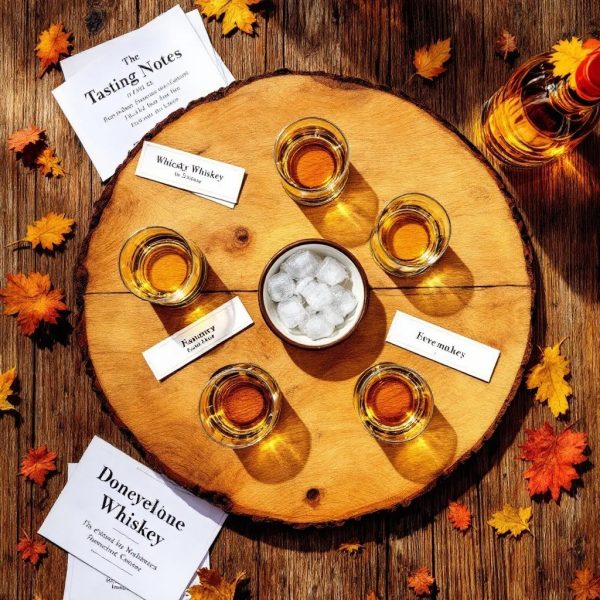
Whisky tasting is a delightful and nuanced experience that allows enthusiasts and novices alike to explore the rich world of whisky. Understanding whisky is not merely about consumption; it’s an appreciation of its intricate flavors, aromas, and the craftsmanship behind each bottle. This guide will provide you with the necessary knowledge to embark on your whisky tasting journey, including key aspects of whisky, preparation tips, tasting techniques, and more. Whether you are a seasoned connoisseur or just beginning to explore the depths of whisky, this comprehensive guide will equip you with the skills needed to savor every sip. By the end, you will be able to distinguish the subtle differences between expressions, choose the right pairings, and even appreciate the cultural significance of whisky production across various regions. What is Whisky Tasting?

The Evolution of Whisky Production: From Traditional Methods to Modern Innovations

The Evolution of Whisky Production

Introduction Whisky is more than just a drink; it represents centuries of tradition, craftsmanship, and cultural significance. From its origins in ancient civilizations to the modern artisanal distilleries of today, the journey of whisky production, known as The Evolution of Whisky Production, is rich and varied. This article takes a deep dive into the evolution of whisky, examining its history, the impact of technological advancements, and emerging trends that are reshaping the industry. Definition of Whisky Whisky, or whiskey, depending on the region of production, is a distilled alcoholic beverage made from fermented grain mash. Common grains used include barley, corn, rye, and wheat. The varying combinations of these grains, along with the specifics of the distillation and aging processes, contribute to the diverse range of flavours and styles found in whisky

Ardnamurchan

Ardnamurchan Distillery is widely considered one of the absolute darlings of the modern, new-wave Scotch whisky scene—and for good reason. From the moment it opened its doors in 2014, this remote, rugged outpost on the Ardnamurchan Peninsula has quietly but confidently redefined what contemporary Scotch can be, without losing sight of tradition. Its location alone tells you a great deal about its character. Perched at the most westerly point of the British mainland, Ardnamurchan is surrounded by wild Atlantic weather, dramatic coastlines, and dense woodland. This isn’t a convenient, industrial operation; it’s a distillery that had to be wanted, planned, and fought for. That sense of purpose comes through in every drop of spirit. The maritime air, the cool, damp climate, the isolation—they all contribute to a whisky that feels deeply rooted

The House Of Suntory

The House of Suntory represents the true artisanal pinnacle of Japanese spirits precisely because it is far more than a logo on a label. It is the living expression of Suntory’s highest ideals: relentless craftsmanship, reverence for nature, and an almost obsessive pursuit of harmony in flavor and form. When you encounter the House of Suntory name, you are stepping into a curated world that gathers only the most exacting, ultra-premium expressions the company creates—a portfolio that is 100% Japanese-crafted, from conception to final pour. This umbrella does not casually cover every spirit Suntory produces. It is reserved for those rare bottlings where every detail is pushed to the highest standard: the pure mountain water, the carefully selected grains, the precise cuts, the patient aging in carefully chosen casks, and the blending

Isle Of Tiree Distillery

Located in West Hynish on the most westerly island of the Inner Hebrides, the Isle of Tiree Distillery is a living testament to what happens when modern grit meets ancient island heritage. This is not a contrived story or a borrowed legacy; it is rooted in the very soil and shoreline of Tiree, an island historically known in Gaelic as Tir an Eòrna – The Land of Barley. Long before regulations, branding, and visitor centres, Tiree was alive with the quiet smoke and bold spirit of dozens of illicit and legal distillers who transformed local grain into characterful whisky. Today, Isle of Tiree Distillery steps into that lineage with determination and respect. Instead of simply recreating the past, it chooses to honour it: drawing inspiration from age‑old island practices while embracing the

Caperdonich

Caperdonich is what whisky enthusiasts call a “Ghost Distillery” — and that title is not given lightly. Unlike many closed distilleries that are simply mothballed, waiting for a possible rebirth, Caperdonich is gone in the most literal sense. The stills are silent, the buildings are dismantled, the site demolished in 2010. There is no visitor center to open one day, no romantic relighting of the stills on the horizon. Its story is complete. That finality is exactly what has turned Caperdonich into a cult favorite as we approach 2026. The remaining stock is not just limited; it is truly finite. Every bottle opened today is one less that will ever exist, and every dram poured is a small but irrevocable piece of whisky history consumed. Once it’s gone, it’s gone. There will

Laphroaig

Laphroaig (pronounced la-FROYG) is arguably the most polarizing and distinctive distillery in Scotland. Perched on the rugged south coast of Islay, battered by Atlantic winds and salt spray, it has built its reputation not on compromise, but on character. For over two centuries, Laphroaig has refused to dilute its personality to chase trends, and that fierce independence is exactly why it inspires such devotion—and such strong reactions. Its famously “love it or hate it” profile is no marketing gimmick. The iodine, seaweed, bandage and medicinal notes that some people find shocking on first sip are the very qualities that others treasure as deeply authentic, a liquid expression of Islay’s wild coastline. At a time when many whiskies are drifting toward safer, sweeter, and more generic flavor profiles, Laphroaig has, as of 2026,