
Introduction
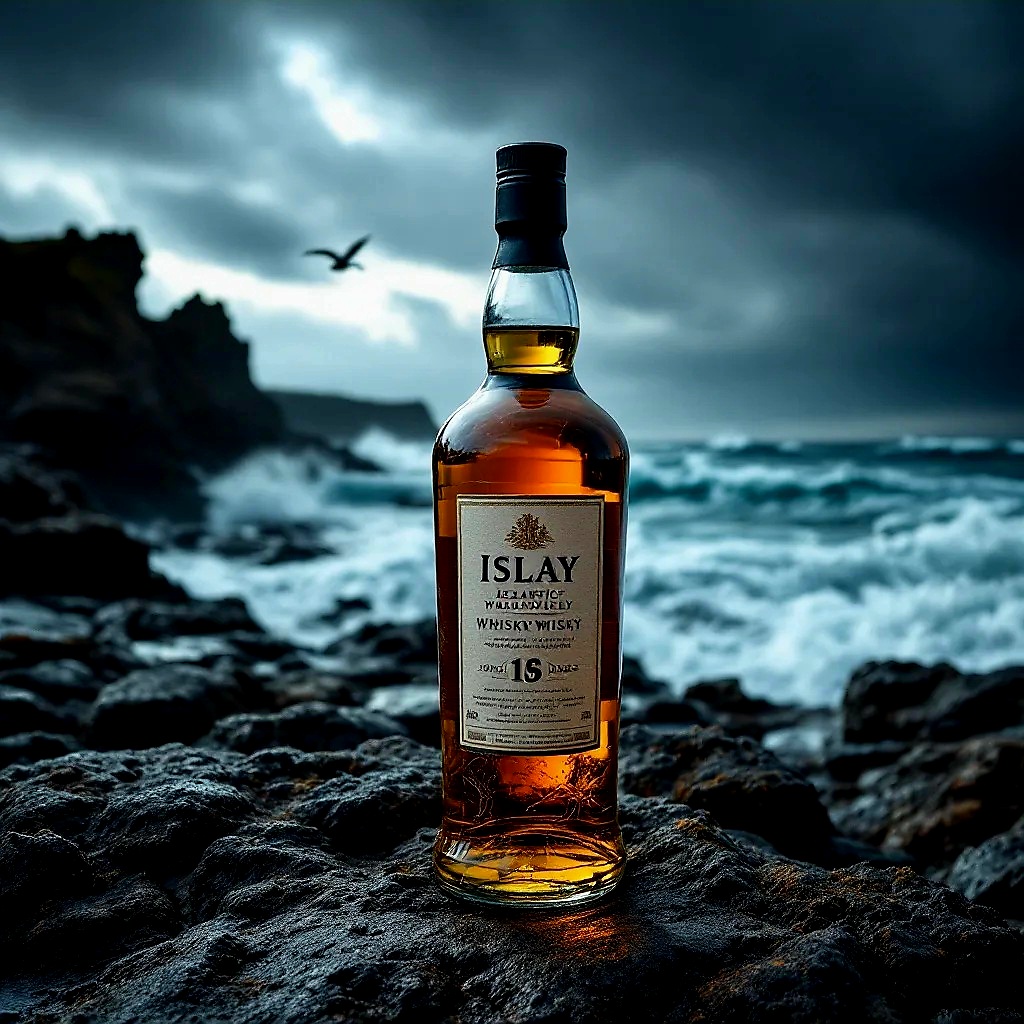
The world of whisky is a complex tapestry woven from tradition, geography, and climate. Among the illustrious whisky-producing regions, Islay stands out for its distinct flavor profiles, deeply rooted in its unique terroir. This article delves into the concept of terroir as it relates to Islay whisky, exploring how the island’s geography and climate shape the production and flavor characteristics of its spirits. From the influence of local soil and weather patterns to the impact of traditional distillation methods, we will uncover the secrets behind the bold and smoky flavors that define Islay whiskies.
The Concept of Terroir in Whisky Production
Definition of Terroir
Terroir is a concept most often associated with wine, but it is every bit as relevant to whisky. It encompasses the natural environment in which raw ingredients are grown and matured: the composition of the soil that nourishes the barley, the salty sea air that seeps into the warehouses, the peat that has formed over millennia from local vegetation. On Islay, these elements combine to create a flavor profile that simply cannot be replicated elsewhere.
Importance of Terroir in Crafting Whisky
The importance of terroir in whisky production cannot be overstated. It serves as the foundation upon which distillers build their expressions. Terroir influences everything from the flavor profile to the aroma and mouthfeel of the whisky. For instance, peat, which is abundant on Islay, contributes to the distinctive smoky flavor that many associate with the island’s whiskies.
Furthermore, understanding terroir allows consumers and enthusiasts to appreciate the nuances of different whiskies. Each bottle tells a story, and recognizing the influence of its geographical and climatic origins enhances the overall drinking experience. For Islay whiskies, this connection to their environment is paramount, creating a deep-rooted sense of place in every sip.
Geographical Features of Islay
Location and Topography
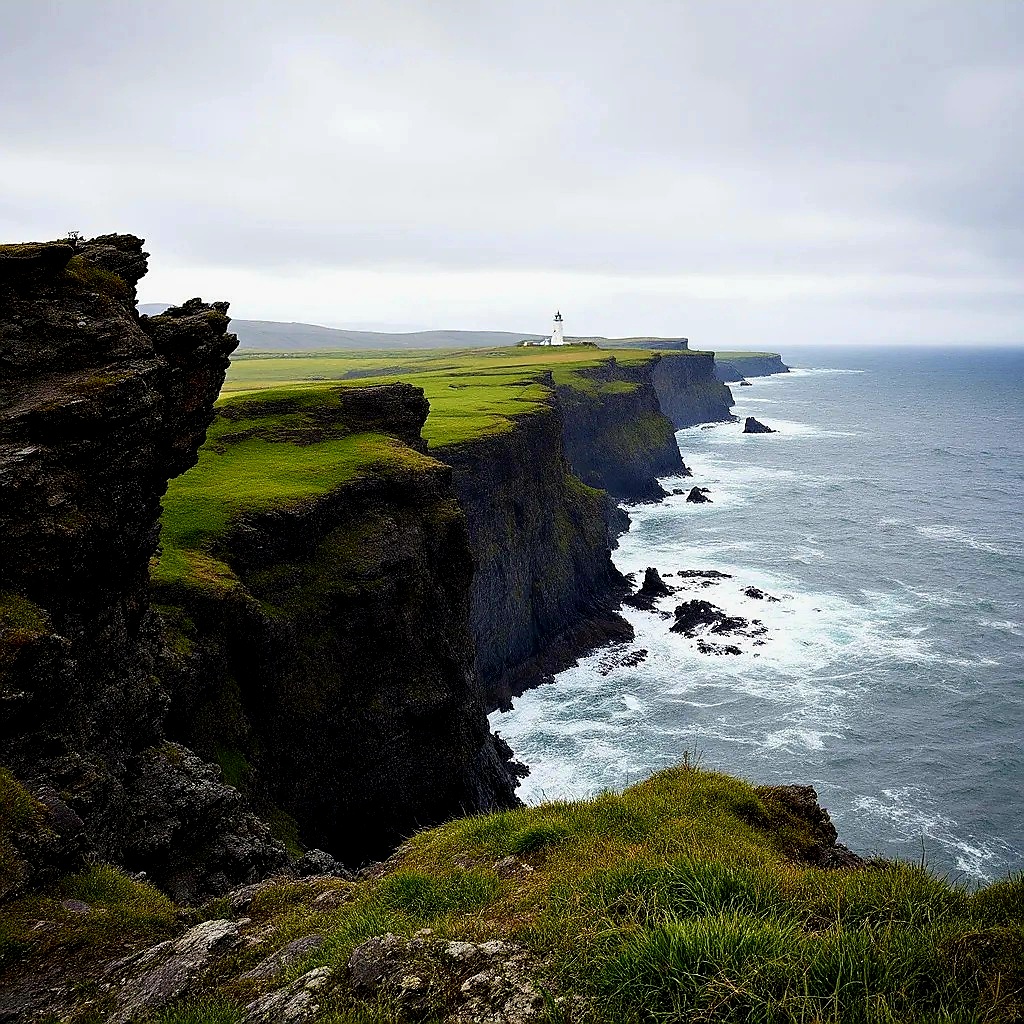
Islay is located off the west coast of Scotland and is known as the Queen of the Hebrides. The island boasts a diverse landscape that includes rolling hills, rugged coastlines, and fertile valleys. This varied topography not only contributes to the scenic beauty of Islay but also affects the microclimates that exist within different parts of the island. The proximity of Islay to the Atlantic Ocean plays a significant role in its weather patterns, resulting in a maritime climate that influences whisky production.
The elevation and slope of the land also impact how distilleries source their water, crucial for both mashing and dilution processes. Each distillery often taps into unique water sources, which can impart specific mineral qualities to the whisky, further distinguishing their products.
Soil Composition and Its Influence
The soil composition of Islay is predominantly clay and peat, both of which have significant implications for whisky production. Peat, in particular, is integral to creating the island’s characteristic smoky flavors. The natural process of decaying vegetation in peat bogs produces a rich, earthy flavor that is absorbed by the barley during the malting process.
In addition to peat, the mineral content in the soil can vary significantly across the island. This variation can affect the flavor of the barley and, ultimately, the spirit. Distilleries often highlight these differences, showcasing how their specific agricultural practices and local soil conditions contribute to their unique tasting notes.
Proximity to the Ocean
Being an island, Islay’s proximity to the ocean is another defining feature of its terroir. The salty sea air and humidity present in the environment have a substantial impact on the maturation process of whisky. As barrels age in warehouses near the coast, the ocean breeze can introduce additional flavors and aromatic compounds to the whisky.
This maritime influence can be particularly noted in the lighter, more floral notes found in some Islay whiskies, which contrast beautifully with the heavier peaty flavors. The interplay of oceanic elements with traditional whisky-making techniques creates a complex and multifaceted spirit that is distinctly Islay.
Climate Characteristics of Islay
Temperature and Seasonal Variations
Islay enjoys a temperate maritime climate characterized by mild winters and cool summers. Average temperatures range from around 5°C (41°F) in winter to about 15°C (59°F) in summer. These moderate conditions help maintain a stable environment for whisky maturation, allowing the spirit to age slowly and develop complexity over time.
Seasonal variations also play a significant role in the distillation process. The cooler temperatures in winter can slow fermentation and maturation, while the warmer summer months can enhance the interaction between the whisky and the wood of the barrels, contributing to a richer flavor profile.
Humidity and Its Effects on Maturation
The humidity levels on Islay are relatively high, primarily due to its coastal location. This humidity affects the evaporation rates of whisky during maturation, often referred to as the angel’s share. In humid environments, water tends to evaporate more quickly than alcohol, which can lead to a higher proof of the spirit as it ages. This phenomenon can intensify the flavors and aromas, resulting in a richer and more nuanced whisky.
Moreover, the high humidity levels can help prevent the whisky from becoming too oak-dominated during aging. This balance allows the subtler notes within the spirit to shine through, contributing to the distinct character that Islay whiskies are known for.
Weather Patterns and Their Influence on Distillation
The weather patterns on Islay can be unpredictable, often shifting from sunny to rainy within short periods. These fluctuations can have a profound effect on the distillation process. For example, changes in temperature and humidity can alter fermentation rates and affect how yeast behaves, subsequently influencing the final flavor of the whisky.
Additionally, the often stormy weather can create a sense of urgency among distillers who may adjust their production schedules based on the forecast. The interplay of these natural elements creates a dynamic environment for whisky production, adding another layer of complexity to Islay’s whisky heritage.
Flavors Profile Development in Islay Whisky
Peat: The Signature Flavor Component
Peat is arguably the most defining characteristic of Islay whisky, imparting a distinct smokiness that has garnered a fanatical following among whisky enthusiasts. The process of drying malted barley over a peat fire infuses the grain with rich, earthy flavors that become integral to the whisky’s identity. Interestingly, the level of peat used can vary significantly among distilleries, leading to a wide range of flavor profiles.
Some distilleries, like Laphroaig, are renowned for their heavily peated expressions, while others, such as Bruichladdich, offer unpeated versions that showcase a different aspect of Islay’s terroir. This versatility within the peaty realm allows consumers to explore a diverse spectrum of flavors, from the intensely smoky to the subtly sweet and floral.
Influence of Local Water Sources
The water used in whisky production is another crucial element that affects the flavor profile of Islay whiskies. Islay is home to several freshwater springs and lochs, each with unique mineral compositions. These local water sources are often rich in minerals like calcium and magnesium, which can enhance the fermentation process and contribute to the mouthfeel of the final product.
Distilleries often conduct extensive testing to determine the best water sources for their whisky production. The selection of water can influence not only the flavor but also the texture and balance of the spirit, highlighting the importance of terroir in crafting exceptional whisky.
Barrel Aging in Unique Conditions
Barrel aging is a significant factor in developing the flavor profile of Islay whisky. The island’s unique climate, with its high humidity and fluctuating temperatures, creates an environment that encourages a dynamic aging process. Whisky reacts with the wood of the barrels in complex ways, extracting flavors and color, while also allowing for oxygen exchange that mellows the spirit over time.
Many Islay distilleries utilize barrels that have previously held sherry, bourbon, or wine, which can impart additional flavors to the whisky. Each barrel adds its own character, resulting in a diverse range of expressions from a single distillery. The smoky, peaty base of Islay whisky, combined with the influence of the wood, creates a rich tapestry of flavors that continue to evolve throughout the aging process.
Case Studies of Notable Islay Distilleries
Laphroaig
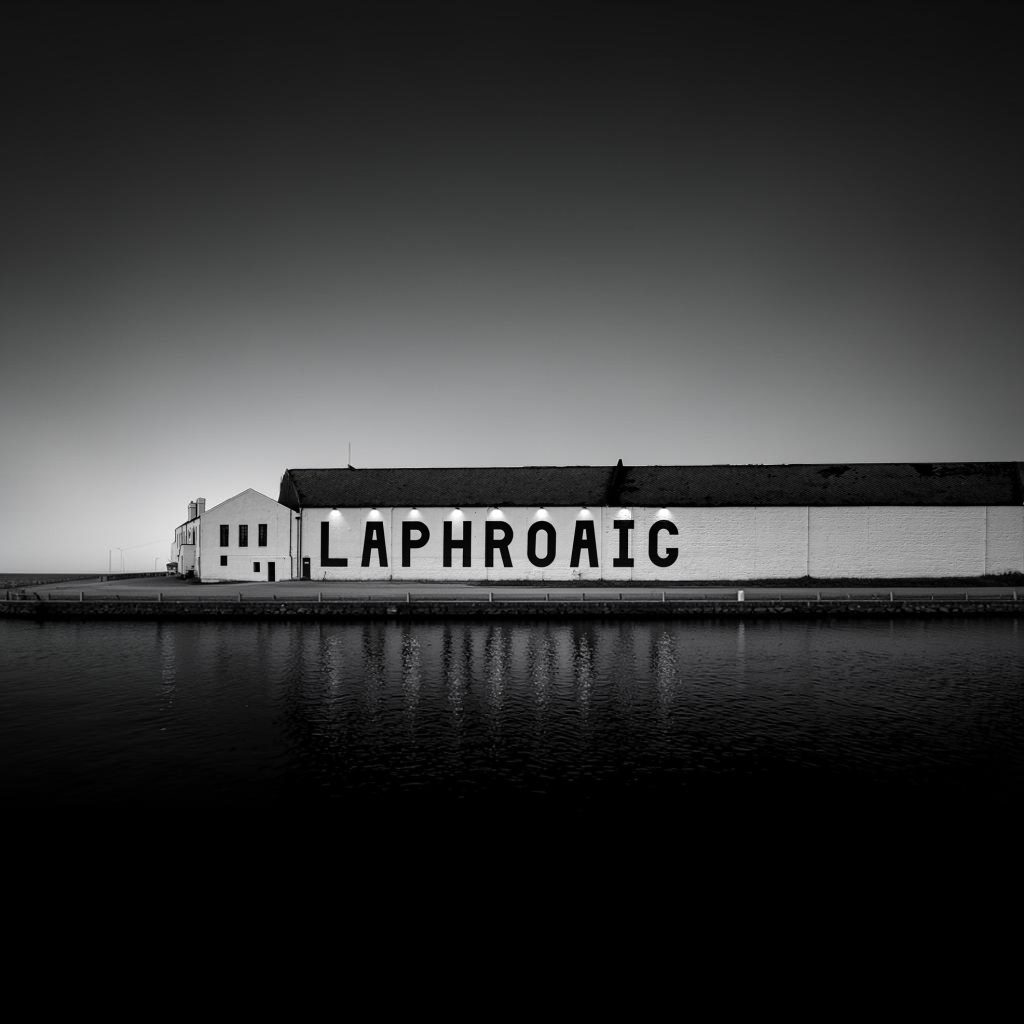
Laphroaig (pronounced la-FROYG) is arguably the most polarizing and distinctive distillery in Scotland. Perched on the rugged south coast of Islay, battered by Atlantic winds and salt spray, it has built its reputation not on compromise, but on character. For over two centuries, Laphroaig has refused to dilute its personality to chase trends, and that fierce independence is exactly why it inspires such devotion—and such strong reactions.
Its famously “love it or hate it” profile is no marketing gimmick. The iodine, seaweed, bandage and medicinal notes that some people find shocking on first sip are the very qualities that others treasure as deeply authentic, a liquid expression of Islay’s wild coastline. At a time when many whiskies are drifting toward safer, sweeter, and more generic flavor profiles, Laphroaig has, as of 2026, leaned further into what makes it unique: bolder peat, richer coastal character, and an uncompromising house style that is instantly recognizable in a blind tasting.
This isn’t about nostalgia for its own sake. By doubling down on its distinctive identity—through more transparently peated releases, cask explorations that amplify its maritime and medicinal core, and a renewed focus on traditional production methods—Laphroaig is offering something the modern whisky drinker craves but rarely finds: honesty. You know exactly what you’re getting in every glass, and that clarity has helped Laphroaig evolve from a curiosity into a global cult icon.
If you’ve ever felt that too many whiskies taste interchangeable, Laphroaig is the antidote. You may not fall in love with it immediately. You might even recoil on that first encounter. But if you’re willing to give it a second or third chance, to sit with it, to let your palate adjust to its smoky, medicinal embrace, you’ll understand why people travel across the world just to stand on its shore and taste it at the source. In a world of safe choices, Laphroaig’s decision to lean even further into its polarizing profile isn’t just bold—it’s exactly what makes it worth seeking out.
The Foundation:
Laphroaig’s origins are far more compelling than a simple “founded in 1815” line on a bottle. Its foundation is a story of necessity, ingenuity, and a bold transition that shaped not just a distillery, but an entire whisky legacy. On the rugged south coast of Islay, the land was originally worked for cattle farming. Barley was grown primarily to feed livestock, and the farm’s survival depended on making the most of every harvest. But in a place where the soil was poor, the climate harsh, and markets distant, farmers needed more than cattle to secure their future.
This is where the shift begins. Instead of using all of their barley as animal feed, the early Laphroaig farmers discovered that the same grain, when malted and distilled, produced a spirit of remarkable character. Quietly, and at first “illicitly,” they began distilling whisky—not as a hobby, but as a strategic response to economic reality. Turning barley into whisky transformed a perishable crop into a valuable, more durable product that could be traded, sold, and stored. It was a way of taking control in an unforgiving environment.
That transition from cattle farming to clandestine distilling was not just opportunistic; it was visionary. These early distillers recognized that the land around them offered more than grazing. The soft, peaty water, the maritime climate, and the peat itself combined to create a style of whisky that was intensely smoky, briny, and unlike anything found elsewhere. In choosing to lean into distillation, they were effectively choosing a new identity for their livelihood and for this corner of Islay.
By 1815, when Laphroaig was officially and legally established as a distillery, the move from farm to still house was complete. What began in the shadows, out of economic necessity and local resourcefulness, had become a legitimate enterprise. That date is not just a legal milestone; it marks the moment when generations of risk-taking and experimentation were finally recognized in the open.
Understanding this foundation matters. Laphroaig was not built by chance or by following trends, but by people who saw a better future in the spirit they were quietly perfecting. That original act of transition—from raising cattle to crafting whisky—set the tone for everything that followed: independence of spirit, a willingness to defy convention, and an unwavering commitment to the distinctive character of Islay. When you taste Laphroaig today, you are not just drinking a whisky founded in 1815; you are experiencing the result of a bold decision to transform a way of life.
Lagavulin
Lagavulinis another powerhouse in the Islay whisky scene, celebrated for its rich and smoky profile. If you’re serious about exploring peated Scotch, this distillery simply cannot be overlooked. One of the reasons Lagavulin is so compelling lies in its unique location: perched right by the sea, the distillery benefits from cool Atlantic breezes and salty air, which subtly weave maritime notes into every cask. Over time, this coastal influence shows up in the glass as hints of sea spray, brine, and an almost oceanic depth that you won’t easily confuse with any inland malt.
What truly sets Lagavulin apart, however, is its balance. The distillery typically employs a moderate level of peat, which contributes to its signature flavor without overwhelming it. Rather than a blast of smoke for its own sake, the peat here is deliberate and refined: think bonfire embers, smoldering driftwood, and a rounded warmth that frames, rather than dominates, the spirit. This measured approach allows Lagavulin to showcase layers of complexity—rich malt sweetness, dried fruits, and a touch of medicinal character—all wrapped in that unmistakable, slow-building smoke.
The Lagavulin 16-Year-Old is often regarded as a benchmark for smoky whiskies, with layers of complexity that develop over decades of aging. The combination of Islay’s unique terroir and Lagavulin’s careful production techniques results in a whisky that is both approachable for newcomers and complex enough for seasoned aficionados.
The Foundation
The legal foundation of the Lagavulin distillery officially dates back to 1816. However, looking strictly at the physical timeline of how the site, buildings, and companies were established reveals a much more chaotic history than a single year suggests.
The physical timeline of the distillery’s construction and evolution includes several key milestones:
The Illicit Era
1742–1790s
Long before any legal foundations were dug, the crescent bay overlooking Dunyvaig Castle was a hotbed for moonshiners. Historical records show at least ten illicit “black stills” operating secretly on this exact coastal patch.
The Dual Distilleries
1816–1817
Local farmer John Johnston builds the first legal distillery on the site in 1816. Just a year later, a rival named Archibald Campbell constructs a completely separate, second distillery right next door.
The Structural Merger
1837
After years of shifting hand-to-hand and experiencing bankruptcies, the two separate neighboring distilleries are physically combined into a single operational unit under the “Lagavulin” name.
The Malt Mill Spite Distillery
1908
Following a bitter legal dispute over who got to sell Laphroaig, Lagavulin’s eccentric owner, Sir Peter Mackie, builds a completely separate micro-distillery called Malt Mill inside the Lagavulin courtyard to try and replicate Laphroaig’s recipe. It closes in 1960.
The Modern Still House Rebuild
1962
The modern physical footprint takes shape. The original, historic Lagavulin still house is completely demolished and rebuilt, directly absorbing the old pear-shaped copper stills from the defunct Malt Mill building.
The Engineering Behind the Spirit
What makes the physical foundation of Lagavulin so interesting to whisky geeks is that its layout forces an extraordinarily slow production style.
- The Water Flow: The distillery’s water source, Lochan Sholum, sits high in the hills behind the site. The water flows down through thick layers of Islay peat, absorbing heavy organic character before it ever reaches the mash tun.
- The Peculiar Stills: Lagavulin operates iconic, pear-shaped stills that are heavily bulbous at the bottom. When they run a batch, they fill the wash stills to 95% capacity. This leaves almost zero empty air (“headspace”) inside the copper, drastically reducing the amount of copper contact the rising vapor receives.
- The Sea-Weighed Warehouses: The physical maturation warehouses sit right at the rocky edge of Lagavulin Bay. During winter storms, the tides slam directly against the concrete foundations of the buildings. This constant exposure to the damp, salty, ozone-heavy Atlantic air forces the barrels to breathe in a distinctly coastal, briny profile over 16+ years.
Visitor Insight: If you visit the distillery today, the visitor center and tasting lounge aren’t housed in a new corporate building—they are actually constructed inside the carefully restored brick walls of the old 1908 Malt Mill kiln.
Ardbeg
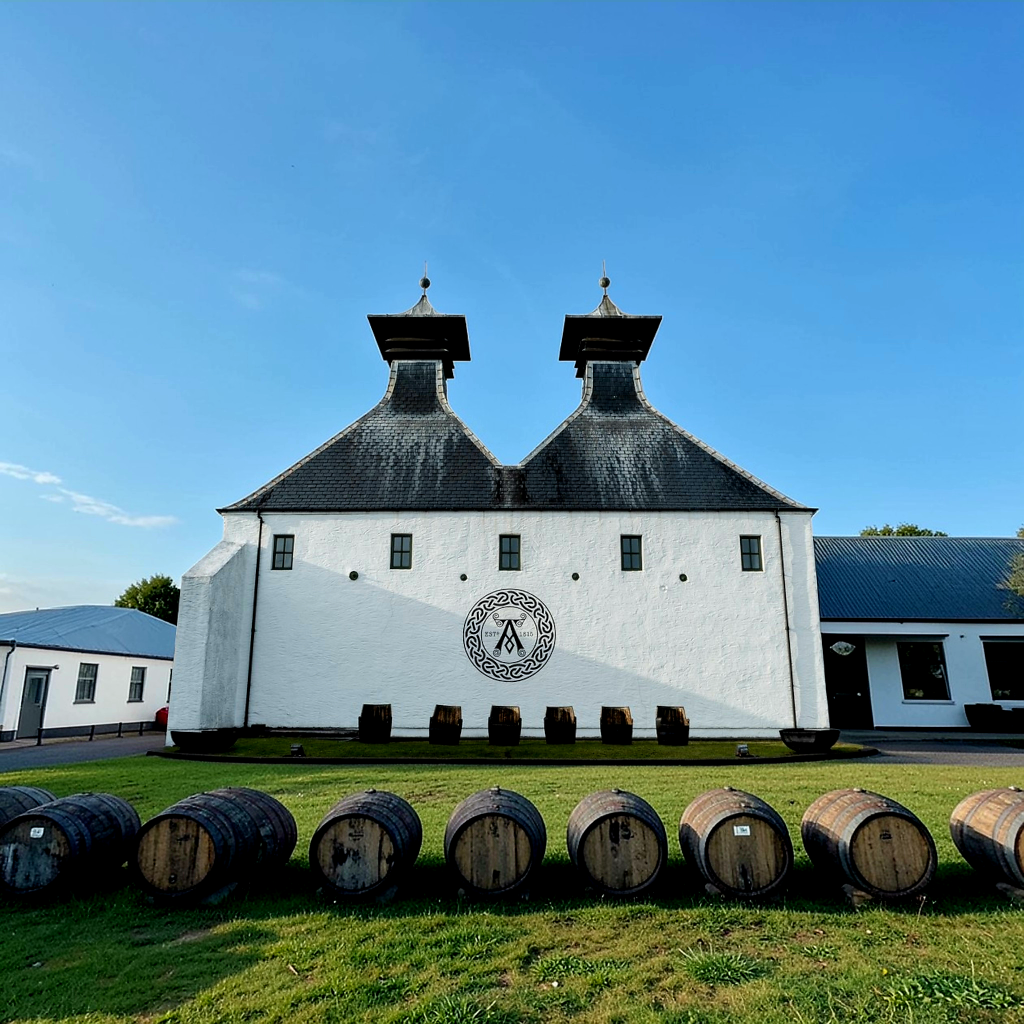
Nestled on the rugged shores of Islay, Ardbeg Distillery stands as a beacon of tradition and innovation in the world of single malt Scotch whisky. Renowned for its intensely peated expressions and rich heritage dating back to 1815, Ardbeg has earned a devoted following among whisky enthusiasts worldwide. Every drop captures the essence of Islay’s wild landscape, delivering bold flavors that are both complex and unforgettable. Whether you’re a seasoned connoisseur or new to peated whiskies, Ardbeg offers an unparalleled experience that embodies craftsmanship at its finest.
The Ardbeg 10-Year-Old is a standout expression that showcases the distillery’s signature style, offering an explosion of peat smoke layered with fresh fruit and creamy toffee. The combination of Islay’s climate and soil characteristics allows Ardbeg to create whiskies that not only highlight the influence of peat but also reveal the island’s diverse flavor potential.
The Foundation
The official founding of the Ardbeg Distillery is credited to John McDougall, who legally established the site in 1815. However, the history of distilling on that specific spot goes back slightly further.
Alexander Stewart (The Illicit Era, 1794)
Alexander Stewart’s “The Illicit Era, 1794” from Ardbeg Distillery is more than just a whisky—it’s a journey back to the roots of Scotch whisky-making. Crafted with meticulous care, this expression captures the rebellious spirit and rich heritage of the late 18th century, when illicit distilling was both an art and a necessity. Every sip reveals layers of smoky peat, balanced with subtle sweetness and a depth that only time and tradition can create. For enthusiasts seeking an authentic taste of history combined with exceptional craftsmanship, “The Illicit Era, 1794” stands as an undeniable testament to Ardbeg’s enduring legacy.
The Transition: Stewart to McDougall
The McDougall family is the cornerstone of Ardbeg’s legend. While the distillery had illicit roots, it was this family’s grit and business sense that transformed it from a hidden “bothy” into a global icon.
Key Figures in the McDougall Dynasty
John McDougall: The Legitimacy (1815)
John is the official founder. He took the “illegal” site previously run by Alexander Stewart and secured a commercial license in 1815. Under his guidance, Ardbeg became a “legitimate” business, capitalizing on the rising demand for peated malt to use in blends.
Alexander McDougall: The Expansion (1838–1853)
John’s son, Alexander, grew the distillery into a powerhouse. By the mid-1800s, it was trading under “Alexander McDougall & Co.” and was one of the largest employers on Islay.
Margaret and Flora: The Pioneers (1853)
When Alexander passed away in 1853, the management fell to his sisters, Margaret and Flora. This was radical for the time.
The “Hay” Connection: They co-ran the business with Colin Hay (who eventually took over), maintaining the family’s high standards during a critical era of growth.
First Female Distillers: They are widely recognized as some of the first women in history to run a Scottish distillery.
The Future of Islay Whisky and Terroir
Challenges Faced by Islay Distilleries
As the demand for whisky continues to grow globally, Islay distilleriesface several challenges, including environmental changes and sustainability concerns. The increasing awareness of climate change is prompting many distilleries to adopt more eco-friendly practices to ensure the longevity of their production methods and the preservation of their unique terroir.
Additionally, rising temperatures and changing weather patterns may affect the delicate balance of the island’s ecosystems. This could have implications for both barley cultivation and peat production, crucial components of Islay whisky. Distilleries are now actively engaged in discussions surrounding sustainability, seeking innovative ways to adapt to these challenges while maintaining the integrity of their craft.
Preserving the Unique Terroir
Preserving Islay’s unique terroir is essential for the future of its whisky industry. Many distilleries are taking proactive steps to safeguard their natural resources and ensure that the characteristics that define their whiskies remain intact. This includes sustainable farming practices, responsible peat harvesting, and water management initiatives.
Furthermore, collaboration among distilleries on the island is fostering a sense of community and shared responsibility for the environment. By working together, these distilleries can advocate for policies that protect Islay’s natural resources and educate consumers on the importance of terroir in whisky production.
Innovations in Whisky Production
Despite the challenges, Islay distilleries are also embracing innovation in their production processes. Many are experimenting with new maturation techniques, such as using alternative barrel types or incorporating different wood sources. This innovation not only helps to mitigate some of the challenges posed by climate change but also allows distilleries to explore new flavor profiles that keep their offerings fresh and exciting.
Additionally, advancements in technology are enabling distilleries to refine their processes, enhancing efficiency while staying true to traditional methods. This blend of innovation and tradition is vital for the continued evolution of Islay whisky, ensuring that it remains relevant in an ever-changing market while honoring the terroir that makes it so unique.
Conclusion
In the end, Islay whisky stands as one of the clearest proofs that terroir is not just a concept for wine, but a powerful, defining force in spirits as well. The island’s windswept coasts, peat-rich soils, maritime climate, and centuries-old distilling traditions do not merely influence the whisky—they shape its very identity.
The interplay between land, sea, and human craftsmanship creates flavors and aromas that cannot be replicated elsewhere: the medicinal smoke, the coastal salinity, the earthy peat, the unexpected sweetness beneath it all. These are not marketing stories; they are the direct result of where and how Islay whisky is made.
If you care about authenticity in your glass, Islay is impossible to ignore. Choosing an Islay dram is choosing a spirit with a traceable sense of place, one that connects you to a rugged island, its history, and the people who continue to refine their craft generation after generation.
So the next time you pour an Islay whisky, don’t just taste it—consider the rain and sea spray, the peat bogs and warehouses, the stills and hands that brought it into being. When you do, you’ll understand why terroir is not an abstract idea, but the beating heart of what makes Islay whisky truly unforgettable.
FAQs
What is terroir in whisky?
Terroir refers to the environmental factors that influence the characteristics of a crop. In whisky, it encompasses geography, climate, soil, and water sources, all of which impact the flavor profile and production process.
Why is Islay whisky known for its smoky flavor?
The smoky flavor associated with Islay whisky primarily comes from the use of peat during the malting process. The peat smoke infuses the barley with its rich, earthy flavors, which carry through to the final product.
How does climate affect whisky production on Islay?
The temperate maritime climate of Islay, with its mild temperatures and high humidity, affects the maturation process of whisky. These conditions allow for a slow aging process that enhances the complexity and depth of the spirit.
What challenges do Islay distilleries face currently?
Islay distilleries face challenges such as climate change, sustainability concerns, and the need to preserve their unique terroir while meeting growing global demand for whisky.
How are Islay distilleries innovating?
Islay distilleries are embracing innovations such as experimenting with new barrel types, refining production processes through technology, and implementing sustainable practices to adapt to environmental challenges.
Related Articles:
Dazzling Laphroaig – Whisky Guru