
Whisky tasting is a delightful and nuanced experience that allows enthusiasts and novices alike to explore the rich world of whisky. Understanding whisky is not merely about consumption; it’s an appreciation of its intricate flavors, aromas, and the craftsmanship behind each bottle. This guide will provide you with the necessary knowledge to embark on your whisky tasting journey, including key aspects of whisky, preparation tips, tasting techniques, and more.
Whether you are a seasoned connoisseur or just beginning to explore the depths of whisky, this comprehensive guide will equip you with the skills needed to savor every sip. By the end, you will be able to distinguish the subtle differences between expressions, choose the right pairings, and even appreciate the cultural significance of whisky production across various regions.
What is Whisky Tasting?
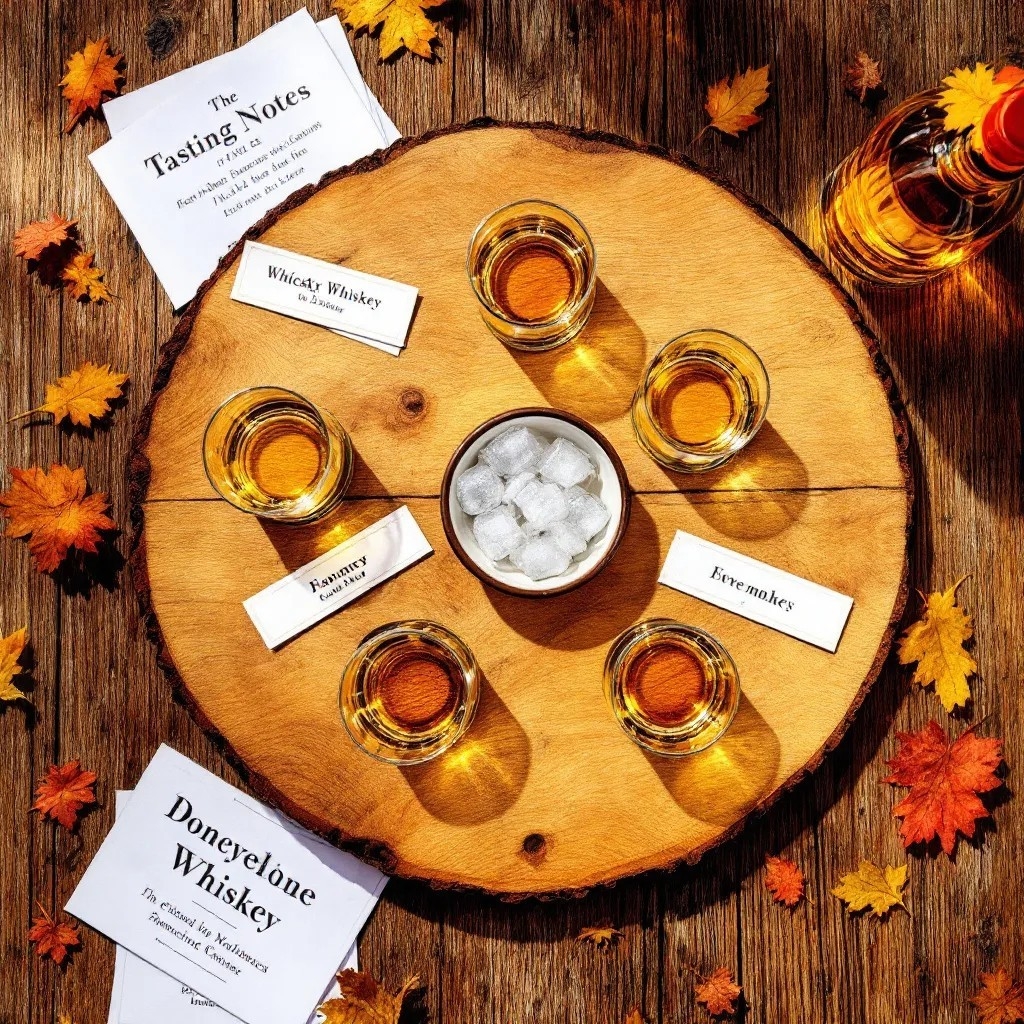
Whisky tasting is the process of evaluating and appreciating whisky through its visual presentation, aroma, taste, and finish. This multi-sensory experience allows tasters to uncover the complexities and nuances of different whiskies. Tasting can be done individually or as part of a group, often leading to lively discussions about personal preferences and the distinct characteristics of each pour.
At its core, whisky tasting is not just about alcohol consumption; it’s an art form that celebrates craftsmanship, tradition, and the history behind each bottle. Through this practice, individuals can deepen their understanding of whisky while cultivating a greater appreciation for the efforts of distillers and the heritage of whisky-making.
Importance of Whisky Tasting
The importance of whisky tasting extends beyond mere enjoyment. It fosters a deeper connection to the spirit, enhancing knowledge about the various factors that influence flavor and quality. Whisky tasting also encourages mindfulness, allowing individuals to slow down and savor the moment. This practice can serve as an opportunity for social interaction, bonding with friends and family over shared experiences.
Additionally, whisky tasting helps to develop a refined palate, enabling enthusiasts to articulate their experiences and preferences more clearly. Over time, this knowledge can lead to informed purchases and an expanded collection, as tasters become more adept at identifying high-quality whiskies that align with their tastes.
Who Can Participate in Whisky Tasting?
Whisky tasting is accessible to anyone with an interest in the spirit, regardless of their prior experience. While many whisky enthusiasts invest time in learning about whisky’s history and production, novices are equally welcome to join tastings. The beauty of whisky tasting lies in its inclusivity; each participant brings their unique perspective and palate to the table.
Whether you are a curious newcomer or a dedicated aficionado, whisky tasting events provide opportunities for discovery and learning. Many distilleries and bars host tastings that cater to all skill levels, making it easy to gain exposure to different styles and regions.
The Basics of Whisky
Understanding Different Types of Whisky
Whisky is a broad category that encompasses various types, each with distinct characteristics shaped by region, ingredients, and production methods. The primary types include Scotch whisky, Irish whiskey, bourbon, rye, and Japanese whisky. Scotch whisky must be made in Scotland and aged for a minimum of three years. It is further divided into categories such as single malt, single grain, blended malt, and blended grain.
Irish whiskey, often triple-distilled for smoothness, is known for its light and easy-drinking qualities. Conversely, bourbon, primarily produced in the United States, is characterized by its sweeter flavor profile due to a high corn content. Rye whiskey, also American, boasts a spicier taste, while Japanese whisky has gained international acclaim for its meticulous craftsmanship and balance of flavors.
The Whisky Production Process
The whisky production process involves several key steps: malting, mashing, fermentation, distillation, and aging. Malting begins with soaking barley in water to encourage germination, which is then dried to stop the process. In mashing, the malted barley is mixed with hot water to extract sugars, creating a liquid known as wort. This wort is then fermented with yeast, converting sugars into alcohol.
Distillation follows, where the fermented liquid is heated in stills to separate alcohol from other components. The resulting spirit is then aged in wooden barrels, which imparts flavor and character over time. The aging process can last anywhere from a few years to several decades, depending on the desired outcome. Finally, the whisky is bottled, often with minimal filtration to preserve flavor integrity.
Key Terminology in Whisky
Understanding whisky requires familiarity with specific terminology. Some key terms include:
- ABV (Alcohol by Volume): The percentage of alcohol in the whisky, indicating its strength.
- Neat: Whisky served without ice or water, allowing for full flavor appreciation.
- Cask Strength: Whisky bottled directly from the cask without dilution, often resulting in a higher ABV.
- Finish: The lingering flavors experienced after swallowing the whisky.
- Single Malt: Whisky made from malted barley at a single distillery.
Preparing for a Whisky Tasting
Selecting the Right Whisky
Choosing the right whisky for a tasting is crucial to ensuring a diverse and enjoyable experience. It’s beneficial to select whiskies from different regions and styles, enabling participants to compare and contrast flavors. A well-rounded tasting lineup may include a peaty Islay Scotch, a smooth Irish whiskey, a bold bourbon, and a delicate Japanese whisky, providing a comprehensive overview of what whisky has to offer.
Additionally, consider the preferences of your guests. Are they more inclined towards sweeter profiles or do they enjoy spicier notes? Understanding their tastes can help guide your selections and create a more engaging experience. It is also valuable to include a few unexpected choices to challenge and expand participants’ palates.
Gathering Tasting Tools
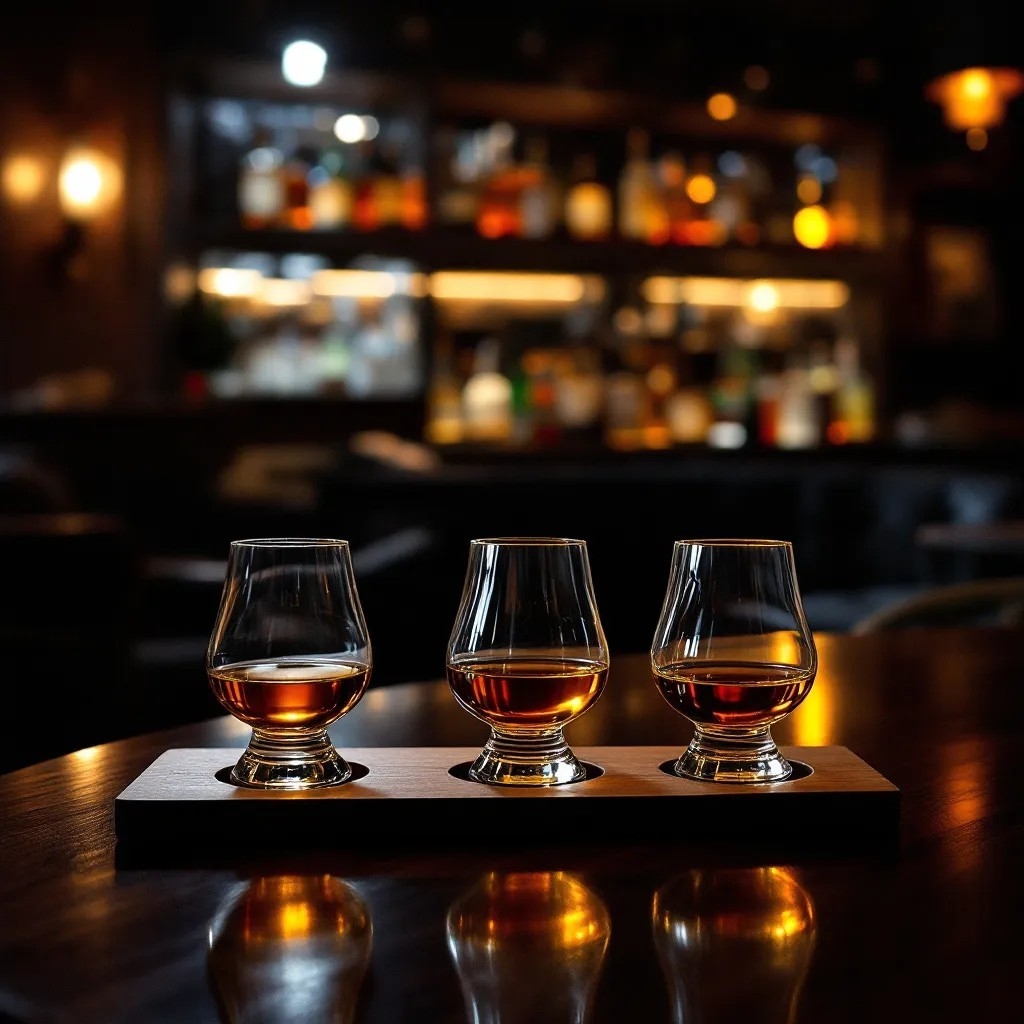
Equipping yourself with the right tasting tools can enhance the overall experience. Standard whisky glasses, such as Glencairn glasses, are ideal for whisky tasting as they concentrate aromas and provide a comfortable grip. You may also want to provide water for dilution, which can help open up the flavors of the whisky, especially those with higher ABV.
Additionally, consider having a notebook and pen on hand for participants to jot down their impressions. This practice encourages mindfulness and reflection, allowing tasters to remember their experiences and preferences for future reference. Utilizing a tasting wheel can also help participants articulate their observations more effectively.
Creating the Ideal Tasting Environment
The environment plays a significant role in the overall whisky tasting experience. Opt for a quiet, comfortable space free from distractions, where participants can focus on the nuances of each whisky. Good lighting is essential, allowing tasters to examine the color and clarity of each pour. A clean, organized setup adds to the aesthetic appeal and facilitates an enjoyable experience.
Consider creating a themed tasting to add an extra layer of engagement. For instance, you could focus on a specific region or type of whisky, or even pair the tasting with relevant food items. This approach not only enhances the experience but also ignites thoughtful discussions among participants.
The Tasting Process
Visual Examination
The first step in the tasting process is visual examination. Pour a small amount of whisky into a glass, observing its color and clarity. The hue can vary widely, from pale straw to deep amber, often reflecting the type of cask used during aging. For instance, whiskies aged in sherry casks may exhibit richer color due to the influence of the fortified wine.
Additionally, swirling the whisky gently in the glass can reveal its viscosity. Observe how the liquid clings to the sides of the glass; this is known as legs or tears. A thicker, slower-dripping leg may suggest a higher ABV or a whisky with significant oils, often correlating to complexity in flavor.
Aroma Assessment
The next step involves assessing the aroma, which is crucial to the overall tasting experience. Gently swirl the glass to release the whisky’s volatile compounds, then bring it to your nose. Take a moment to inhale deeply, allowing the aromas to wash over you. It’s helpful to take multiple sniffs, as your nose may acclimate to the initial scents.
Try to identify specific notes, such as fruity, floral, spicy, or smoky characteristics. A good practice is to start with broader categories, then narrow down to more precise flavors as your experience grows. This process can be quite revealing, adding a layer of complexity to the tasting. Remember, everyone’s palate is unique, and there are no right or wrong answers when it comes to aromas.
Taste Evaluation
Once the aromas have been thoroughly assessed, it’s time to take a sip. Allow the whisky to coat your palate, paying attention to how it feels in your mouth. Is it creamy, oily, or dry? Consider the initial flavors that emerge, followed by any mid-palate complexities. Each whisky can present a different taste journey, ranging from sweet and fruity to rich and savory.
As you savor the whisky, focus on the progression from the initial taste to the finish. The mouthfeel, flavors, and overall balance are critical aspects to evaluate. Try to discern how the flavor evolves on your palate, and if you detect any layers of complexity that emerge with subsequent sips. Engaging in this thoughtful evaluation will deepen your understanding and enjoyment of each whisky.
Finishing Touches: The Finish
The finish refers to the flavors experienced after swallowing the whisky and is a crucial component of the overall tasting experience. Some finishes are short and crisp, while others may linger delightfully on the palate. Pay attention to any evolving notes that surface during the finish, as these can often be surprising and complex.
When evaluating the finish, consider how long the flavors persist and whether they leave a pleasant or harsh aftertaste. A well-crafted whisky often boasts an elegant finish, where the flavors harmonize beautifully, leaving a lasting impression. This evaluation ties back to the whisky’s overall quality and craftsmanship, contributing to the overall appreciation.
Advanced Tasting Techniques
Identifying Flavors and Aromas
As you become more experienced in whisky tasting, developing the ability to identify specific flavors and aromas becomes essential. One effective method is to utilize a flavor wheel, which categorizes various flavor profiles into broad groups such as fruity, floral, spicy, and nutty. This tool can help you articulate what you perceive and guide your evaluations.
Another advanced technique is to engage in comparative tastings. By sampling two or more whiskies side-by-side, you can directly compare their characteristics and highlight differences in flavor, aroma, and mouthfeel. This practice can deepen your understanding and appreciation of how different factors, such as region and production methods, influence the final product.
Comparative Tasting
Comparative tasting is a powerful tool for enthusiasts seeking to refine their palates. This method allows tasters to draw distinctions between different expressions, enhancing their ability to identify subtle nuances. Choose whiskies with similar profiles or from the same region and evaluate them based on flavor, aroma, and finish. For instance, tasting two different single malts from the same distillery can reveal the impact of cask aging and production techniques.
While engaging in comparative tastings, it is essential to maintain an open mind and embrace variations. Each whisky offers a unique perspective, and understanding these differences can foster a deeper appreciation for the artistry involved in whisky-making. As you compare, take notes to help solidify your impressions and develop your tasting vocabulary.
Using a Tasting Wheel
A tasting wheel is a visual representation of various flavor and aroma categories that can enhance your whisky tasting experience. This tool provides a structured framework for identifying specific notes, making the process more accessible and systematic. By referencing the wheel, tasters can pinpoint flavors that they may not have previously considered, broadening their understanding and appreciation for whisky.
Using a tasting wheel during a tasting can also prompt discussions among participants, as they share their observations and insights. This collaborative approach can lead to richer experiences, as tasters learn from each other and expand their flavor recognition skills. Over time, you will find that using a tasting wheel becomes second nature, allowing for more in-depth evaluations.
Whisky Tasting Etiquette
Proper Glassware
The choice of glassware plays a significant role in whisky tasting. The Glencairn glass is widely regarded as the industry standard due to its tulip shape, which concentrates aromas while allowing for easy sipping. Alternatively, a copita or a whiskey tumbler may also be used, depending on personal preferences and the type of tasting being conducted.
Regardless of the glass chosen, ensure that it is clean and free from residual odors that could interfere with the tasting experience. As a general rule, avoid using wide-mouthed glasses, as they may dilute the aromatic experience. Proper glassware enhances the overall tasting experience, allowing participants to fully appreciate the complexities of each pour.
Tasting with Others
Whisky tasting is often a social experience, and participating in tastings with others can enhance enjoyment and learning. When tasting in a group, it’s essential to create an inclusive atmosphere where everyone feels comfortable sharing their observations. Encourage discussions about flavor profiles, personal preferences, and tasting notes to foster a collaborative environment.
Respecting the opinions and experiences of others is paramount in whisky tasting. Each participant’s palate is unique, and different perspectives can enrich the overall experience. Listen actively and be open to differing opinions, even if they diverge from your own. This respect for diverse viewpoints is part of what makes whisky tasting engaging and enlightening.
Respecting Distillers and Traditions
As whisky enthusiasts, it is essential to show respect for the distillers and traditions that shape the whisky industry. Each bottle represents a labor of love, requiring skill, time, and dedication. Acknowledging the history and cultural significance of whisky production fosters a deeper appreciation for the spirit and its roots.
When discussing whiskies, it’s important to avoid derogatory comments or overly critical remarks. Instead, focus on constructive observations that honor the distiller’s craftsmanship. This respectful approach not only enriches your tasting experience but also deepens your connection to the broader whisky community.
Pairing Whisky with Food
Understanding Flavor Pairings
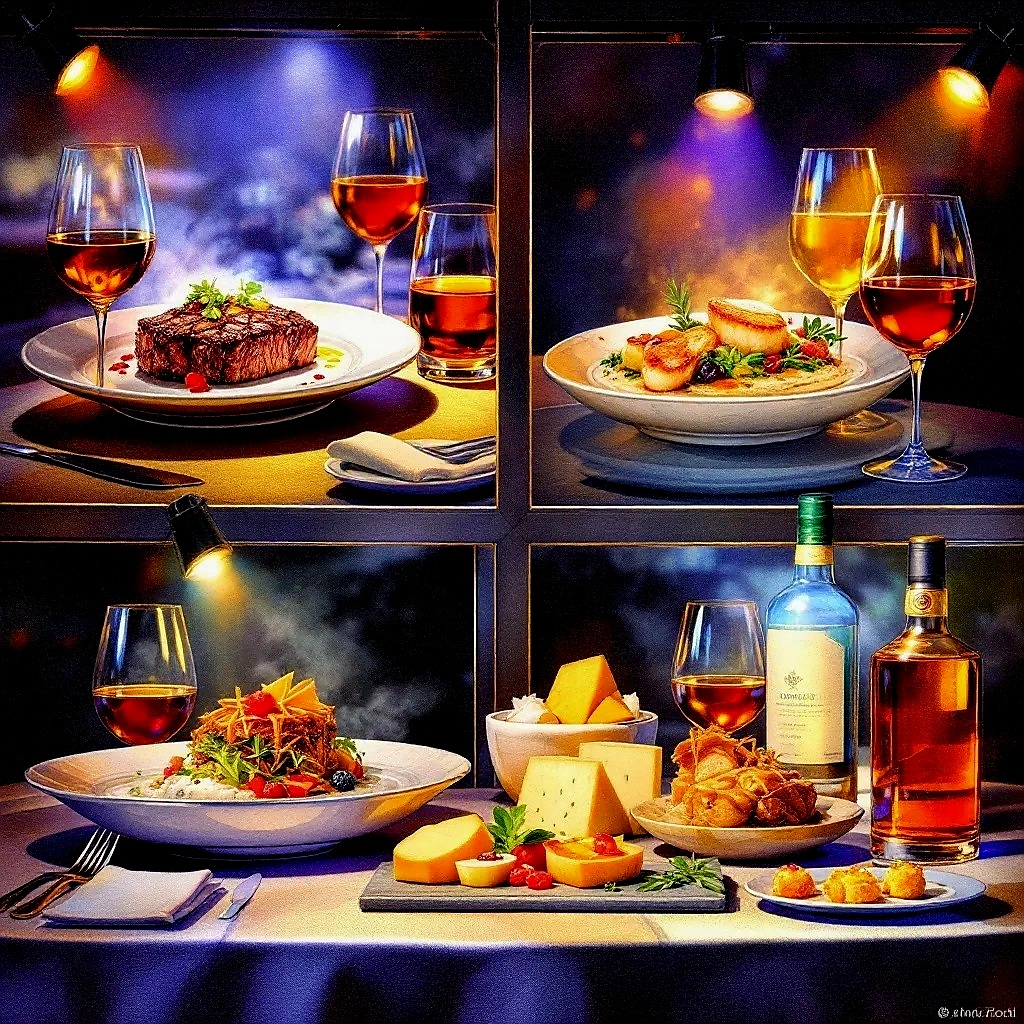
Pairing whisky with food can elevate both the whisky and the culinary experience. The key to successful pairings lies in understanding complementary flavors. For instance, sweet whiskies may pair well with spicy dishes, while peaty Scotch can balance out rich, fatty foods. The goal is to enhance the overall experience, allowing both the food and whisky to shine.
Consider the intensity of flavors in both the whisky and food when making pairings. A light, floral whisky may be overwhelmed by a robust dish, while a bold bourbon could easily overpower a delicate appetizer. Experimenting with different combinations can lead to delightful discoveries, as you learn how various flavors interact and enhance one another.
Recommended Food Pairings
Below is a list of popular whisky and food pairings that can guide your culinary explorations:
| Whisky Type | Recommended Pairing |
|---|---|
| Peaty Scotch | Smoked meats, blue cheese |
| Bourbon | Grilled meats, chocolate desserts |
| Irish Whiskey | Seafood, creamy cheeses |
| Rye Whiskey | Spicy dishes, BBQ |
| Japanese Whisky | Sushi, light appetizers |
Creating a Tasting Menu
Creating a whisky tasting menu that incorporates food pairings can lead to a memorable experience. Start by selecting a theme, such as regional whiskies or a specific type of food. Once you have your whisky selections, think about how each pour can complement the dishes served.
For example, a whisky tasting menu might feature a peaty Scotch paired with smoked salmon and a bourbon paired with chocolate brownies. Providing small bites alongside each whisky allows participants to appreciate the interplay between the food and drink, enhancing the overall tasting experience. Be sure to encourage guests to share their thoughts on each pairing, promoting discussion and deeper engagement.
Exploring Whisky Regions
Scotland
Scotland is often regarded as the birthplace of whisky, with a rich heritage that dates back centuries. The country is divided into several whisky-producing regions, each with distinct characteristics. The most renowned regions include Islay, Speyside, Highlands, and Lowlands. Islay is known for its peaty, smoky whiskies, while Speyside is famous for its smoother, fruitier styles.
Highland whiskies tend to be diverse, showcasing a range of flavors from floral to robust. Lowland whiskies, on the other hand, are typically lighter and more approachable. Understanding the unique attributes of each region can enhance your appreciation and enjoyment of Scotch whisky.
Ireland
Irish whiskey has gained international acclaim for its smoothness and accessibility. The country is known for its triple distillation process, which results in a lighter and more delicate spirit. Popular expressions include Jameson and Redbreast, which highlight the quality of Irish whiskey.
The rich history of Irish whiskey production is marked by a blend of tradition and innovation. Recently, craft distilleries have emerged, offering unique expressions that showcase the diversity of flavors and styles. Exploring the world of Irish whiskey allows you to experience its unique characteristics and appreciate its growth in the global market.
United States
The United States has made a significant impact on the whisky world, particularly through its production of bourbon and rye whiskey. Bourbon, with its sweet and rich flavor profile.
Want To Know More About:
The Evolution of Whisky Production: From Traditional Methods to Modern Innovations