
Introduction
Whisky is more than just a drink; it represents centuries of tradition, craftsmanship, and cultural significance. From its origins in ancient civilizations to the modern artisanal distilleries of today, the journey of whisky production, known as The Evolution of Whisky Production, is rich and varied. This article takes a deep dive into the evolution of whisky, examining its history, the impact of technological advancements, and emerging trends that are reshaping the industry.
Definition of Whisky
Whisky, or whiskey, depending on the region of production, is a distilled alcoholic beverage made from fermented grain mash. Common grains used include barley, corn, rye, and wheat. The varying combinations of these grains, along with the specifics of the distillation and aging processes, contribute to the diverse range of flavours and styles found in whisky globally.
The term whisky typically refers to spirits produced in Scotland and Canada, while whiskey is used for those from Ireland and the United States. Despite the slight variations in spelling, the fundamental processes involved in whisky production are largely consistent across these regions.
Ancient Distillation Techniques
Origins of Distillation
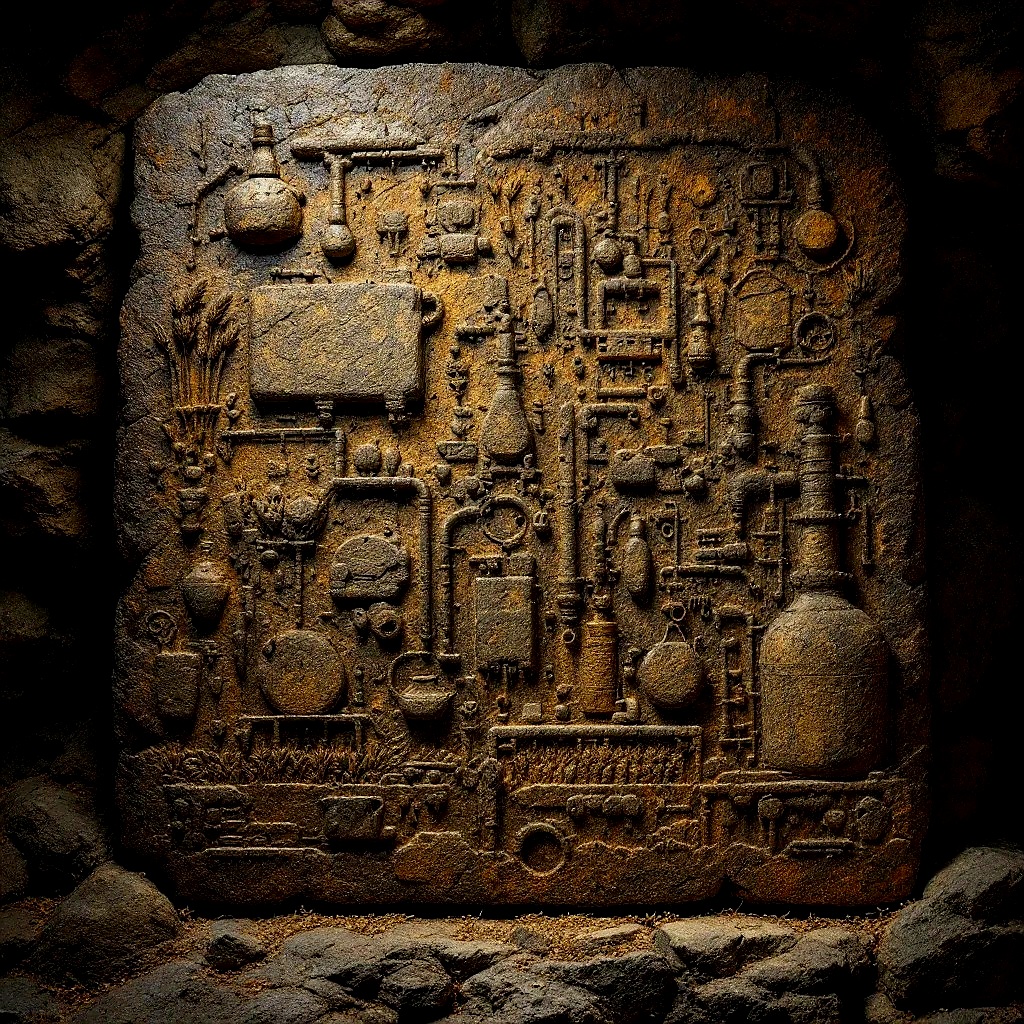
The art of distillation dates back over 2,000 years, with its origins often traced to ancient Mesopotamia and Egypt. Early distillers utilized simple alembics, which are pot stills designed to separate alcohol from the fermented mash. These rudimentary techniques allowed for the extraction of alcohol from various fermented substances, leading to the production of early forms of spirits.
Although whisky as we know it did not exist in the ancient world, the principles of distillation laid the groundwork for its development. The ancient Greeks and Romans recognized the potential of distillation for medicinal purposes, further evolving the process over time.
Early Fermentation Processes
Before whisky could be distilled, fermentation processes needed to be perfected. The earliest beverages were made from grains mixed with water and left to ferment naturally. This produced a low-alcohol beer that could be enjoyed by various social classes.
As the fermentation techniques improved, distillers began to experiment with different grains and yeasts, leading to more complex flavour profiles. Over time, these early fermented beverages would evolve into the spirits that would eventually be classified as whisky.
Historical Evidence of Ancient Whisky
The earliest evidence of whisky-like beverages can be traced back to the Celts around 500 AD. Historical records, including writings from monks and historians, indicate that the distillation of spirits was practiced in Ireland and Scotland, with rudimentary methods producing early forms of whisky.
In particular, the legal documents from the 12th century mention the production of a drink called uisge beatha, which translates to water of life. This term is the precursor to the modern word whisky, signifying the beverage’s importance in cultural and medicinal contexts.
The Middle Ages: Development of Whisky
Monastic Influence on Distillation
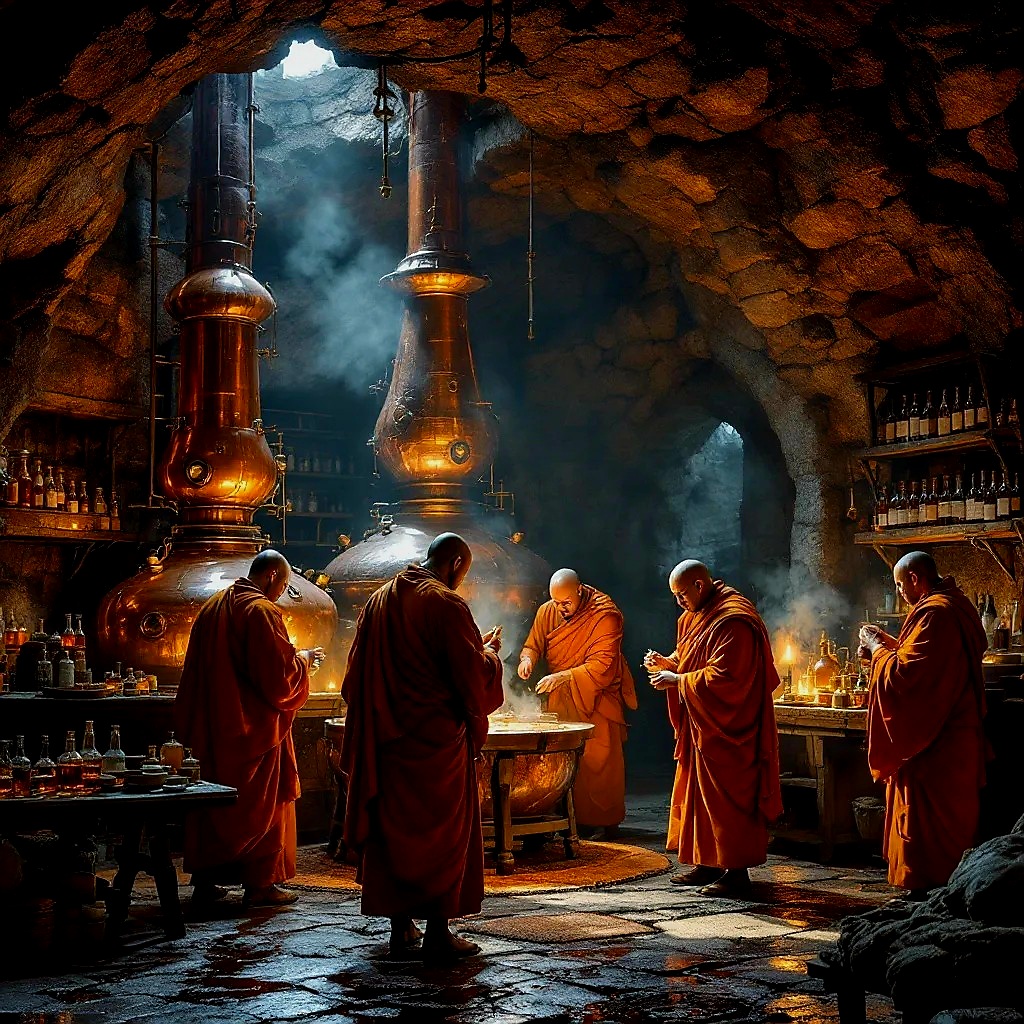
During the Middle Ages, monasteries played a pivotal role in refining the art of distillation. Monks, who were often well-educated and skilled in various crafts, began producing distilled spirits for religious celebrations and medicinal purposes. Their contributions to the techniques and technologies of distillation significantly advanced the quality and consistency of whisky production.
This monastic influence led to an increased demand for whisky, not only as a spiritual elixir but also as a source of revenue. The sale of whisky began to flourish, particularly in Ireland and Scotland, where the drink became intertwined with local customs and traditions.
Regional Variations in Production
As whisky production spread, regional differences began to emerge. In Scotland, the unique terroir, including the quality of local water and soil, played a critical role in shaping the flavour profiles of Scotch whisky. Different areas, such as Islay, Speyside, and the Highlands, developed distinct characteristics based on local grains, climatic conditions, and production methods.
Meanwhile, Irish whisky, influenced by similar environmental factors, began to diverge in terms of production methods. The use of triple distillation in Ireland resulted in a smoother, lighter spirit compared to the often heavier and peatier Scotch whiskies. These regional variations laid the groundwork for the rich diversity of whisky available today.
First Recorded Distilleries
The first recorded distillery is believed to have been established in 1608 at the Old Bushmills Distillery in Northern Ireland. This pivotal moment marked the beginning of whisky as a formalized industry, leading to the establishment of numerous distilleries throughout both Ireland and Scotland during the following centuries.
These early distilleries set the stage for the mass production of whisky, giving rise to iconic brands that are still revered today. The documentation of these distilleries not only highlighted the craftsmanship involved but also began to formalize the business aspect of whisky production, paving the way for the industry to flourish.
The Industrial Revolution: Mass Production
Technological Advancements in Distillation
The Industrial Revolution of the 18th and 19th centuries brought significant technological advancements that transformed whisky production. Innovations in distillation equipment, such as the continuous column still, enabled distillers to produce whisky more efficiently while maintaining consistency in quality.
This shift allowed for larger batches of whisky to be produced at a lower cost, making it accessible to a wider audience. The ability to control fermentation temperatures and improve quality standards further enhanced the reputation of whisky as a premium spirit, leading to increased popularity in both domestic and international markets.
Impact of the Steam Engine
The invention of the steam engine revolutionized not only whisky production but also the transportation of goods. Distilleries could expand their operations, and the mechanization of distillation processes improved production speed and consistency. Steam power allowed distillers to achieve higher alcohol concentrations more efficiently, leading to a boom in whisky production.
With improved transportation, whisky could be distributed beyond local markets, reaching consumers worldwide. This global expansion marked a turning point in the whisky industry, establishing it as a significant player in the international spirits market.
Standardization of Whisky Production
As whisky became increasingly commercialized during the Industrial Revolution, the need for standardization arose. Distillers began to adhere to specific methods and practices to ensure quality across different batches. This standardization not only helped to maintain consistency in flavour but also set the foundation for regulations governing whisky production.
The establishment of legal definitions for terms like Scotch whisky and the introduction of age statements became paramount in protecting both producers and consumers, further elevating whisky’s status as a respected and sought-after beverage.
The Rise of Scotch Whisky
Legal Regulations and Standards
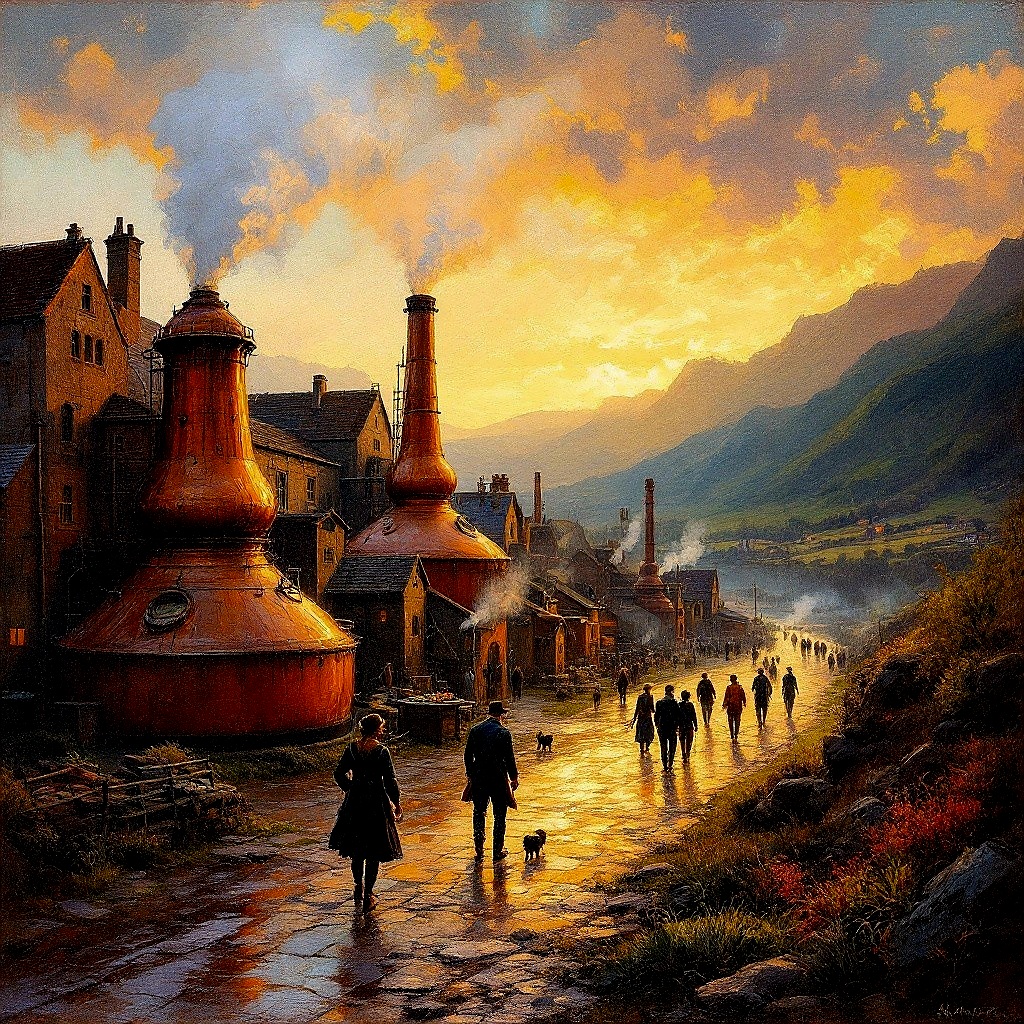
The legal framework surrounding Scotch whisky is one of the most rigorous in the world. The Scotch Whisky Act of 1988 set out stringent requirements for any spirit to be labeled as Scotch whisky. These regulations include the stipulation that the whisky must be produced in Scotland, aged in oak barrels for a minimum of three years, and adhere to specific production processes.
These laws not only protect the integrity of Scotch whisky but also safeguard the industry against imitation. The protections afforded to Scotch whisky have fostered a sense of pride among producers and consumers alike, contributing to its status as one of the premier whiskies globally.
The Role of Geography and Terroir
Geography plays a crucial role in the production of Scotch whisky. The diverse landscapes of Scotland, including its mountains, rivers, and coastal regions, contribute to the unique characteristics of its whiskies. The mineral content of the water used in production, for example, can significantly influence the flavour profile of the final product.
Moreover, the aging process in distinct climates further shapes the whisky’s character. Peat bogs prevalent in areas like Islay impart smoky notes to the whisky, whereas the more temperate climate of Speyside leads to lighter, fruitier expressions. This interplay of geography and terroir is vital in establishing the identity of Scotch whisky.
Global Recognition and Branding
By the late 19th and early 20th centuries, Scotch whisky had gained international acclaim, becoming synonymous with quality and craftsmanship. Iconic brands emerged, and distilleries began to invest heavily in marketing and branding to distinguish their products in a competitive market.
Global recognition of Scotch whisky led to its exportation to various countries, where it became a symbol of sophistication and refinement. The rise of whisky bars and cocktail culture in the mid-20th century further cemented its status as a beloved spirit worldwide.
The Craft Distilling Movement
Return to Traditional Methods
The craft distilling movement, which gained momentum in the late 20th century, represents a return to traditional whisky production methods. Small-batch distilleries emphasize artisanal techniques, focusing on quality over quantity. Many craft distillers source local grains and utilize traditional distillation methods, such as pot stills, to create unique and distinctive whiskies.
This movement has led to a resurgence in interest for handcrafted spirits, with consumers increasingly seeking authentic experiences and high-quality products. The craft distilling scene has diversified whisky offerings, introducing new flavours, styles, and innovative approaches to aging and blending.
Innovative Practices and Flavors
Craft distilleries are known for their willingness to experiment with different techniques and flavour profiles. Innovations such as barrel finishing—aging whisky in a variety of wood types—have allowed distillers to create a plethora of unique expressions. This experimentation has resulted in an explosion of creativity within the industry, breaking away from traditional norms.
Flavors derived from unconventional ingredients, such as fruit or spices, have become more prevalent, appealing to a broader audience and attracting new whisky drinkers. This evolution is indicative of a shift in consumer preferences towards more diverse and explorative drinking experiences.
Future Trends in Whisky Production
Sustainability and Eco-Friendly Practices
As environmental concerns become increasingly pivotal in various industries, whisky production is no exception. Distilleries are now prioritizing sustainability by adopting eco-friendly practices. This includes using renewable energy sources, reducing water waste, and sourcing ingredients locally to minimize carbon footprints.
Many whisky producers are also exploring innovative recycling methods for used barrels and byproducts from the distillation process. By implementing these sustainable practices, distilleries not only contribute positively to the environment but also appeal to a growing demographic of environmentally-conscious consumers.
Technological Innovations in Production
The future of whisky production is likely to be shaped by technological advancements. Automation and smart technology are beginning to play a role in distilling processes, from fermentation to aging. These innovations can enhance precision and efficiency, allowing distillers to perfect their processes while maintaining an artisanal touch.
Artificial intelligence and data analytics are being employed to predict consumer trends and optimize production schedules. As technology continues to evolve, it will be fascinating to see how it influences traditional whisky craftsmanship while allowing for new possibilities in flavour and production methods.
Changing Consumer Preferences
Today’s consumers are more adventurous than ever, seeking out unique and personalized experiences. This shift in preferences is reflected in the rise of whisky cocktails and the growing interest in whisky tastings and tours. Distilleries are responding by offering more innovative products, tastings, and educational experiences that cater to this evolving market.
Additionally, the rise of online shopping and social media has transformed how consumers discover and purchase whisky. The digital landscape allows for greater accessibility to niche brands, making it an exciting time for the whisky industry as it adapts to meet the demands of an increasingly global and informed consumer base.
Conclusion
Summary of Whisky’s Journey
The evolution of whisky production is a testament to the resilience and creativity of distillers throughout history. From ancient distillation techniques to the modern craft movement, whisky has continually adapted to societal changes and technological advancements. The industry has a rich tapestry woven with cultural significance, regional variations, and a commitment to quality.
The Ongoing Evolution of Whisky
As we look to the future, whisky will undoubtedly continue to evolve, responding to consumer preferences, environmental concerns, and technological innovations. The enduring love for whisky suggests that this spirit will remain an integral part of our cultural heritage, continually enriching our lives with its complexity and depth.
FAQs
What is the primary ingredient in whisky?
The primary ingredients in whisky include grains (such as barley, corn, rye, or wheat), water, and yeast. The type of grain used largely influences the flavour and style of the whisky.
How long does whisky need to be aged?
To be classified as whisky, it must be aged in oak barrels for a minimum of three years, although many whiskies are aged for much longer to develop richer flavours.
What is the difference between Scotch and Irish whiskey?
Scotch whisky is produced in Scotland and is often characterized by its smoky and peaty flavours, while Irish whiskey tends to be smoother and lighter, usually made using triple distillation. The spelling also differs: whisky for Scotch and whiskey for Irish.
Can whisky be produced anywhere in the world?
Yes, whisky can be produced in various regions around the world, including the United States, Canada, Japan, and India. Each region has its own regulations and unique characteristics affecting the production process and flavour.
What are some popular whisky brands?
Some globally recognized whisky brands include Glenfiddich, Macallan, Johnnie Walker, Jameson, and Buffalo Trace. Each brand offers its own unique expressions and styles.
Related Articles:
Discover the Joy of Blended Whisky – Whisky Guru