
Introduction
Welsh whisky, once overshadowed by its Scottish counterpart, has been making a notable resurgence in recent years. This article delves into the fascinating history, production processes, unique characteristics, and the vibrant culture surrounding Welsh whisky. Whether you are a seasoned connoisseur or a curious newcomer, this guide will equip you with insights into the distinct qualities that set Welsh whisky apart.
History of Welsh Whisky
Origins and Early Development
The roots of whisky in Wales can be traced back to the 15th century, with references to usquebaugh, an early form of whisky. During this time, distillation techniques were quite rudimentary, and whisky production was primarily a domestic affair. The craft of distilling remained relatively local and small-scale until the 19th century when commercial distilleries began to emerge. However, the whisky industry faced significant challenges, including competition from Scotland and changes in regulations, leading to a decline in production.
By the early 20th century, most Welsh distilleries had shut down, and the tradition of whisky making seemed to be lost. It wasn’t until the late 20th century that a revival began, with new distilleries opening and a renewed interest in local products. This resurgence has allowed Wales to reclaim its place on the whisky map, showcasing its unique cultural heritage and craftsmanship.
Modern Revival of Welsh Whisky
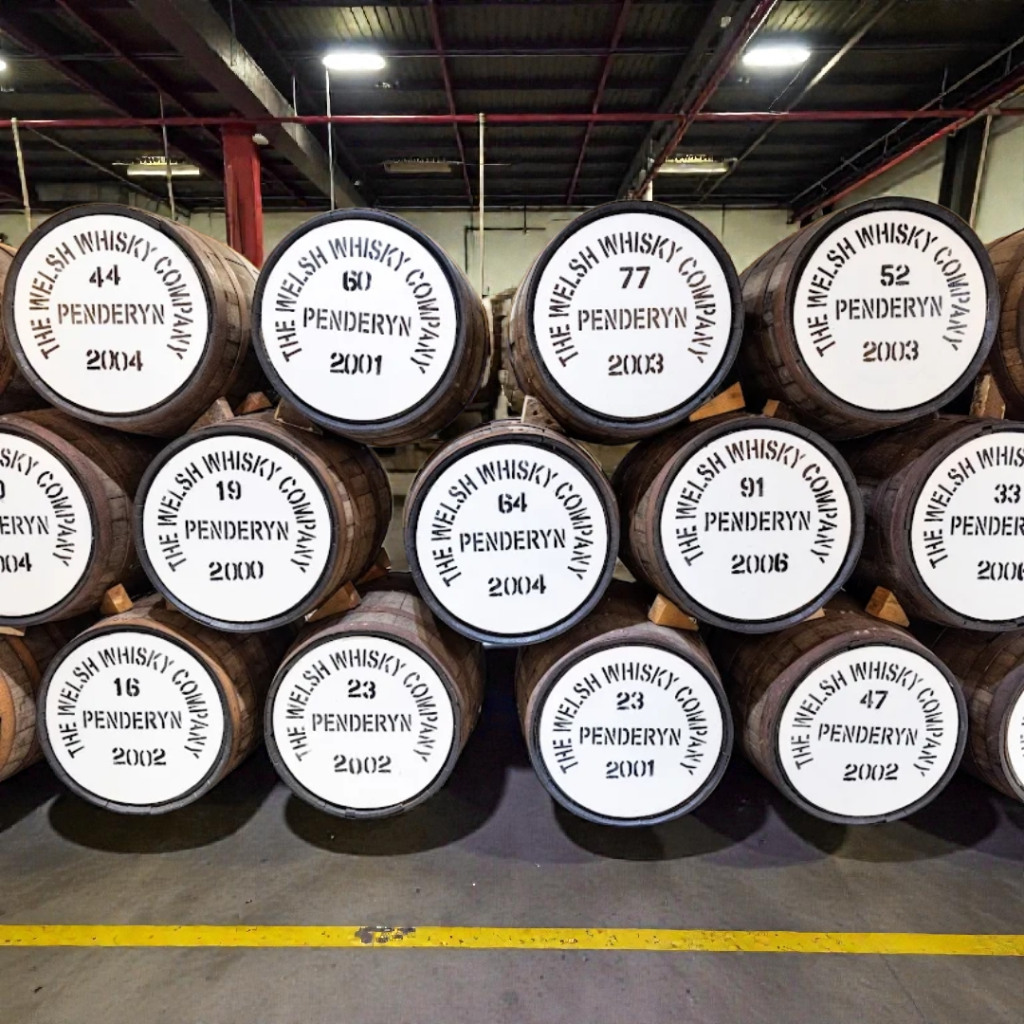
The modern revival of Welsh whisky can be attributed to the establishment of new distilleries and innovative approaches to production. The first significant distillery to open its doors in recent history was the Penderyn Distillery in 2000, which played a crucial role in revitalizing the industry. Penderyn introduced a unique single malt whisky that gained accolades internationally, helping to spark interest in Welsh whisky.
In addition to Penderyn, several other distilleries have emerged, including the Dà Mhìle Distillery and the Aber Falls Distillery. These establishments emphasize traditional methods while experimenting with new flavors and techniques, which has further enriched the landscape of Welsh whisky. The Welsh whisky industry is now characterized by a blend of tradition and innovation, making it an exciting area for exploration.
Production Process
Ingredients Used in Welsh Whisky
Welsh whisky production utilizes a selection of high-quality ingredients, primarily malted barley, though some distilleries also incorporate corn and rye. Water is another critical component; many distilleries source their water from local springs, which contributes to the unique flavor profile of the whisky. The quality of the ingredients used is paramount, as they directly affect the taste and character of the final product.
Yeast is also essential in the fermentation process, and distilleries often select specific strains to complement the malt used. The combination of these ingredients, along with the natural environment of Wales, creates a distinctive foundation for the whisky, setting it apart from other regions.
Distillation Techniques
The distillation process for Welsh whisky varies by distillery, but most adhere to traditional methods. Typically, the whisky is distilled twice, although some distilleries employ a three-distillation process for a smoother finish. Pot stills are commonly used, allowing for greater control over the distillation process and enhancing the depth of flavor.
Some distilleries have begun to experiment with continuous column stills, introducing modern technology to achieve different styles and efficiencies. The choice of distillation method plays a significant role in defining the character of the whisky, influencing factors such as alcohol content, flavor complexity, and mouthfeel.
Aging and Maturation
Aging is a critical step in whisky production, as it allows the spirit to develop its flavors and character. In Wales, whisky must be aged in oak barrels for a minimum of three years to be considered whisky. Many distilleries utilize a variety of cask types, including ex-bourbon barrels, sherry casks, and even wine barrels, each imparting unique flavors to the spirit.
The climate in Wales, characterized by its mild temperatures and high humidity, contributes to a slower maturation process, resulting in a more complex flavor profile. Distilleries often engage in careful monitoring of their casks, ensuring that the whisky reaches its optimal maturity before bottling. This meticulous attention to detail during the aging process distinguishes Welsh whisky in the global market.
Unique Characteristics of Welsh Whisky
Flavor Profiles
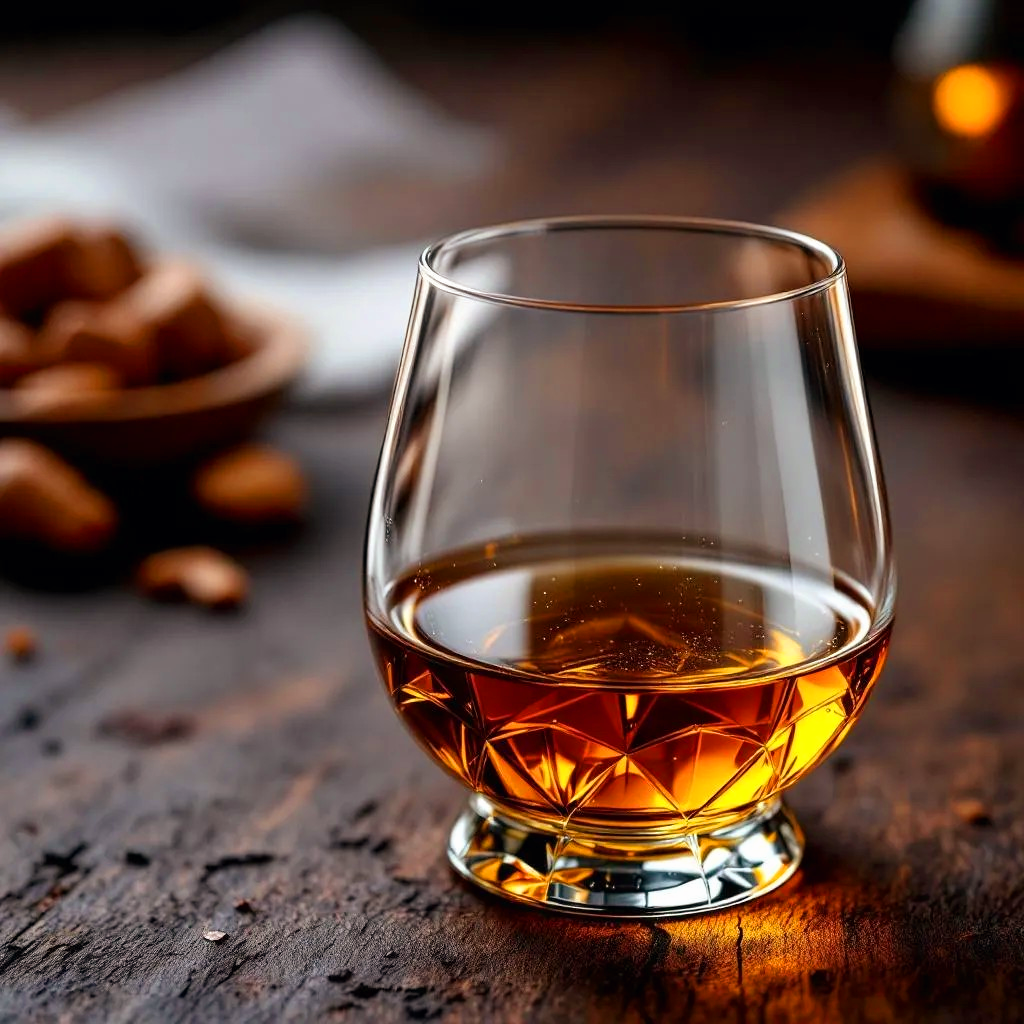
Welsh whisky is known for its diverse range of flavor profiles, largely influenced by the ingredients used, distillation methods, and aging techniques. Typical tasting notes may include honey, fruit, and floral undertones, along with a subtle earthiness derived from the Welsh terroir. The use of various cask types adds layers of complexity, introducing flavors such as spice, nuts, and caramel.
Each distillery often has its signature style, reflecting the unique characteristics of their production methods and the regional influences of Wales. This variety ensures that whisky enthusiasts can find a Welsh whisky that suits their palate, from lighter, fruitier expressions to richer, smoky options.
Regional Variations
Wales is home to several distinct whisky-producing regions, each contributing unique characteristics to the spirits produced. For instance, regions like Pembrokeshire and the Brecon Beacons have distinct microclimates and water sources, influencing the flavor profiles of their whiskies. The maritime influence in coastal areas, combined with the rugged terrain of the mountains, adds depth to the whisky’s character.
This regional diversity invites exploration and appreciation of how local conditions impact the final product. As distilleries continue to emerge across Wales, the opportunity for new flavors and expressions is ever-growing, encouraging whisky enthusiasts to delve into the variety of Welsh offerings.
Influence of Welsh Terroir
Terroir, a term commonly used in wine production, also plays a significant role in whisky. The unique combination of soil, climate, and geography in Wales contributes to the distinctive qualities of Welsh whisky. The mineral-rich water sourced from local springs adds a unique element to the whisky’s character, while the climate influences how the whisky interacts with the wood during maturation.
Furthermore, the natural landscape of Wales, with its rolling hills and coastal breezes, creates an environment that profoundly impacts the aging process. This connection between the land and the whisky not only enhances flavors but also fosters a sense of place, deeply rooting each distillery in its specific location.
Popular Welsh Whisky Brands
History and Signature Offerings
Among the most prominent brands is Penderyn, which is often credited with reigniting interest in Welsh whisky. Their flagship single malt, Penderyn Madeira Finish, showcases the use of Madeira casks, resulting in a rich, fruity flavor profile. Other notable brands include Dà Mhìle, known for their organic and innovative approach, and Aber Falls Distillery, which emphasizes traditional craftsmanship while incorporating local botanicals in their offerings.
Each brand has carved out a niche within the whisky market, often reflecting the individuality of their distillation techniques and flavor profiles. Many brands are continually expanding their portfolios, introducing limited editions and special releases that highlight unique aspects of Welsh whisky production.
Comparative Analysis of Brand Styles
When analyzing Welsh whisky brands, it’s essential to consider their production styles and flavor profiles. Penderyn tends to offer a more refined and polished whisky experience, while Dà Mhìle often explores bold and experimental expressions. Aber Falls, meanwhile, combines traditional methods with creative flair, producing unique blends that often feature local ingredients.
This diversity allows consumers to experience a wide range of tastes within Welsh whisky, catering to different preferences and encouraging appreciation for each brand’s unique identity. As the market continues to evolve, these brands are likely to innovate further, expanding the horizons of what Welsh whisky can offer.
Tasting Welsh Whisky
How to Properly Taste Whisky
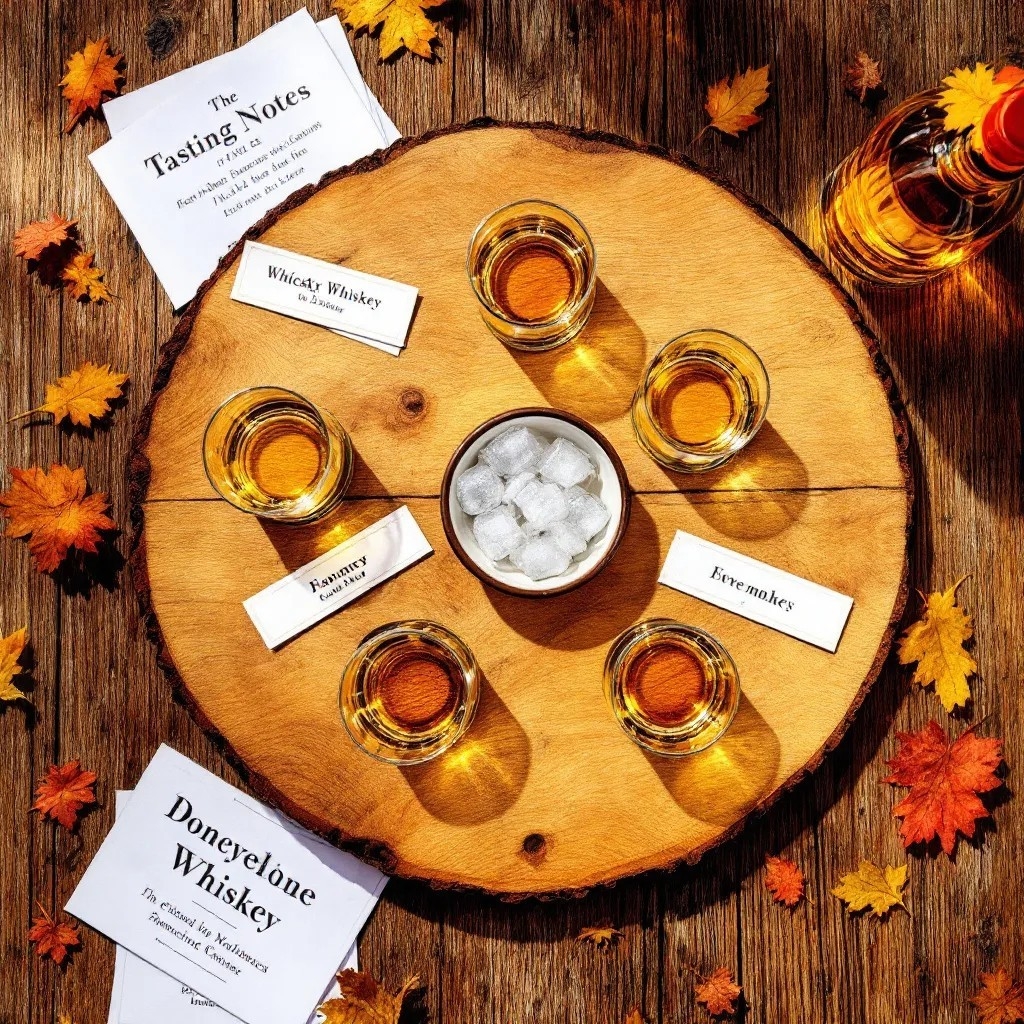
Tasting whisky is an art in itself, and understanding the proper techniques can enhance the experience. Begin by selecting a clean glass, preferably a tulip-shaped glass that allows the aromas to concentrate. Pour a small amount and take a moment to observe the color, which can provide insights into the aging process and cask type.
Next, engage your sense of smell by gently swirling the glass to release the aromas. Take a few short sniffs, noting the various scents that arise. Finally, take a small sip, allowing the whisky to coat your palate before swallowing. Pay attention to the initial flavors, the development in the mid-palate, and the finish, as these elements contribute to the overall tasting experience.
Recommended Pairings
Pairing Welsh whisky with food can elevate both the spirit and the meal. For lighter, fruitier whiskies, consider pairing them with seafood or chicken dishes, as the flavors complement each other beautifully. Richer, spicier whiskies can pair well with grilled meats or even chocolate desserts, enhancing the depth of flavors.
Experimentation is key when it comes to pairing, and personal preference plays a significant role. Many whisky enthusiasts enjoy exploring different combinations, encouraging a deeper appreciation for both the whisky and the cuisine it’s paired with.
Common Tasting Notes
When tasting Welsh whisky, enthusiasts frequently note common flavors that define the spirit. Sweet notes of honey and vanilla, often derived from the oak barrels, are prevalent alongside fruity flavors such as apple, pear, or citrus. Slight floral notes may also be present, adding a delicate touch to the overall profile.
In addition to these, more complex flavors like spice, nuts, and caramel can emerge, especially in whiskies aged in sherry or port casks. Each tasting experience can reveal a new layer of flavors, making Welsh whisky a dynamic spirit to explore.
Welsh Whisky in Cocktails
Classic Welsh Whisky Cocktails
Welsh whisky lends itself beautifully to cocktails, providing a unique spin on classic recipes. A popular choice is the Welsh Whisky Sour, which combines whisky, lemon juice, and sugar for a refreshing drink. The balance of sweetness and acidity allows the whisky’s flavor to shine while adding a delightful twist.
Another classic is the Welsh Old Fashioned, where the whisky is mixed with bitters and sugar, served over ice with a twist of citrus. These cocktails highlight the characteristics of Welsh whisky while offering a new way to enjoy the spirit.
Modern Mixology Trends
Modern mixology has embraced Welsh whisky, leading to innovative cocktails that celebrate its complexity. Bartenders are experimenting with various ingredients, from herbs to exotic fruits, creating unique concoctions that showcase the diversity of flavors found in Welsh whisky.
These contemporary cocktails often feature local ingredients, further connecting the drink to its Welsh heritage. As the cocktail culture continues to evolve, Welsh whisky is likely to play an increasingly prominent role, inviting new enthusiasts to explore its versatility.

Conclusion
Welsh Whisky’s Place in the Global Market
As the global whisky market continues to grow, Welsh whisky is carving out its niche, characterized by a unique blend of tradition and modern innovation. The resurgence of distilleries, coupled with an emphasis on quality and craftsmanship, positions Welsh whisky as a contender among the world’s finest spirits.
Increased international recognition and awards have further solidified its status, attracting enthusiasts and collectors alike. The ongoing exploration of flavors and production methods promises to keep Welsh whisky relevant and exciting in the evolving spirit landscape.
Encouraging Exploration and Appreciation
Welsh whisky represents a rich tapestry of culture, heritage, and innovation. For those new to whisky, it offers a welcoming entry point into the world of spirits, while seasoned enthusiasts can appreciate the depth and complexity of its offerings. As the industry continues to grow and evolve, exploring Welsh whisky presents an opportunity to engage with a vibrant part of Welsh culture.
FAQs
What distinguishes Welsh whisky from Scotch or Irish whiskey?
Welsh whisky often showcases unique flavor profiles influenced by local ingredients and production methods. While Scotch typically focuses on peat and malt flavors, Welsh whisky can range from fruity and floral to rich and complex, depending on the distillery and cask selection.
Is Welsh whisky made the same way as other whiskies?
While the basic principles of whisky production are similar across regions, Welsh whisky incorporates specific local ingredients and aging practices that lend a distinct character to the final product.
How should Welsh whisky be served?
Welsh whisky can be enjoyed neat, with a splash of water, or in cocktails. The serving style often depends on personal preference and the desired tasting experience.
Are there any food pairings that work particularly well with Welsh whisky?
Welsh whisky pairs well with a variety of foods, including grilled meats, seafood, and desserts like chocolate. The specific pairing often depends on the whisky’s flavor profile.
Can you visit Welsh distilleries for tours and tastings?
Yes, many Welsh distilleries offer tours and tastings, allowing visitors to learn more about the production process and sample various whiskies. This provides a unique opportunity to engage with the craftsmanship behind Welsh whisky.
You Might Like;