
The Sherry Cask is more than just an ordinary oak barrel; it represents a tradition of craftsmanship that elevates the whisky aging process to new heights. Originally used to age Spanish Sherry wine, these barrels impart unique and complex flavors that cannot be replicated by standard barrels. When whisky is matured in a Sherry Cask, it absorbs rich notes of dried fruits, nuts, and subtle spices, creating a depth and character that discerning connoisseurs truly appreciate. Choosing whisky aged in Sherry Casks means embracing a premium quality experience—one where heritage meets exceptional taste.
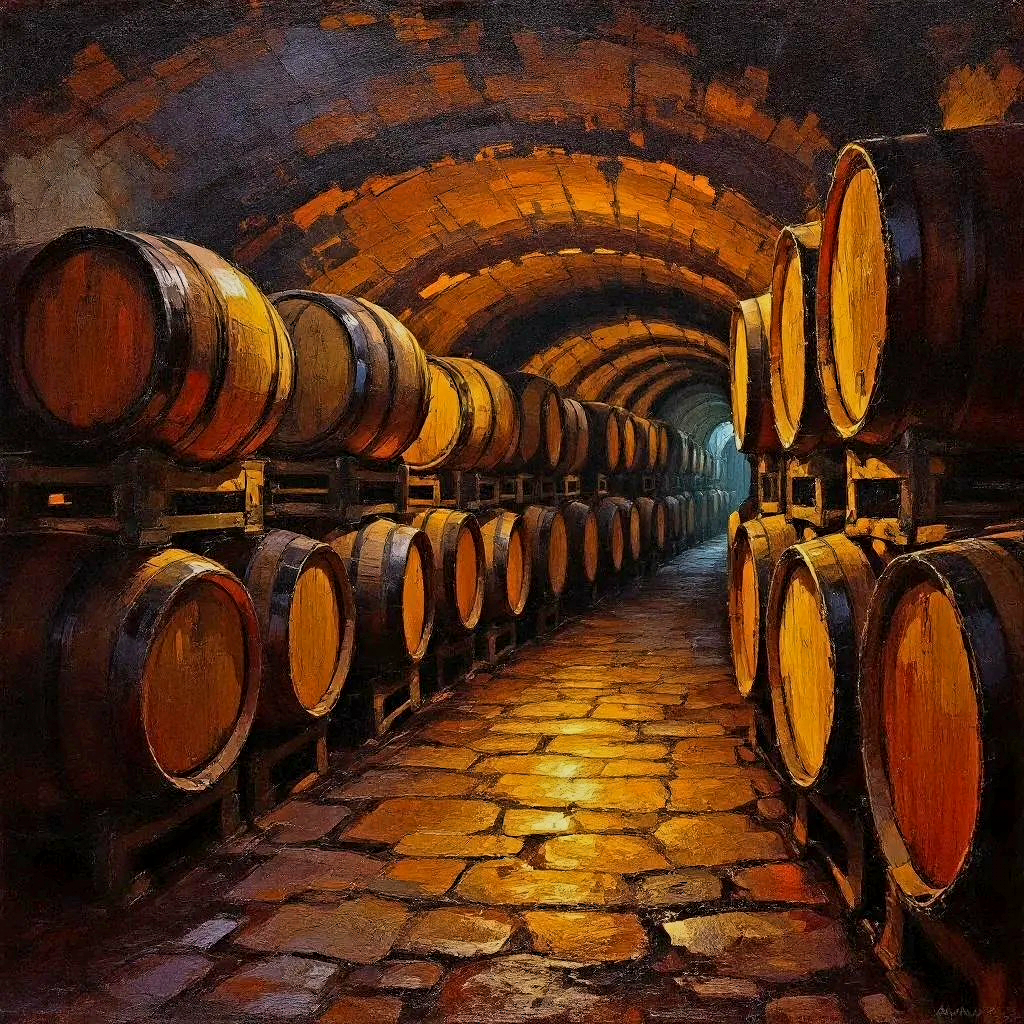
History Behind The Sherry Cask
The history of using sherry casks in whisky is a classic tale of “accidental genius.” It began as a matter of cheap logistics and evolved into the most expensive and sought-after maturation method in the industry.
The Accidental Origins (1700s – 1800s):
In the 18th century, Britain’s insatiable appetite for Sherry—then commonly known as “Sack”—solidified its position as the world’s largest consumer of this exquisite Spanish wine. This wasn’t just a passing trend; it was a deeply ingrained part of British culture and social life. Vast quantities of Sherry were transported from Spain to key British ports such as Leith, Glasgow, and London in massive barrels called butts, each holding an impressive 500 liters. The scale of this trade highlights not only the demand but also the logistical prowess involved in sustaining such a vibrant market. Understanding this historical connection sheds light on how Sherry became woven into Britain’s culinary and social fabric, influencing tastes and traditions that persist even today.
The Resource:
The arrival of Sherry in the UK marked not just the introduction of a beloved beverage but also an unexpected opportunity hidden in plain sight. Once the Sherry reached British shores, it was bottled locally—a process that left thousands of sturdy, high-quality oak barrels abandoned at the docks. These barrels, crafted to age and enhance the rich flavors of Sherry, represented a valuable resource waiting to be tapped. Far from being mere waste, these empty oak barrels offered immense potential for reuse across various industries—from furniture making and home décor to aging other spirits and even innovative gardening solutions. Recognizing and harnessing this overlooked treasure not only promotes sustainability but also breathes new life into a piece of history that arrived alongside every shipment of Sherry. Embracing this resource is both a smart business move and a nod to preserving tradition in a modern world.
The Thrift:
Scottish distillers, known for their legendary frugality, quickly recognized the immense value in repurposing discarded barrels rather than commissioning costly new ones. This savvy approach not only saved substantial expenses but also unlocked unique flavor profiles that set their whiskies apart. Through careful experimentation, they discovered that barrels previously used to store fish or hog-knuckles imparted unpleasant tastes, rendering them unsuitable for whisky maturation. In stark contrast, Sherry barrels transformed the spirit by infusing it with a rich, sweet character that delighted connoisseurs and elevated the whisky’s complexity. This blend of thriftiness and keen sensory insight exemplifies how Scottish distillers turned resourcefulness into an art form—proving that sometimes, the smartest choice is to embrace what others overlook.
The Discovery:
By the mid-1800s, distillers made a groundbreaking realization that forever changed the world of whisky. They discovered that the “transport casks” used to ship whisky across Europe were doing much more than just storing it—they were actively transforming its character. These casks, previously seasoned with fortified wines like sherry or port, imparted a rich mahogany color and infused the spirit with complex flavors of dried fruit and warm spices. This unexpected enhancement captivated consumers and set a new standard for quality and taste. It’s clear that this innovation wasn’t just a lucky accident; it was a pivotal moment that demonstrated how thoughtful maturation techniques could elevate whisky from mere spirit to an extraordinary experience cherished by enthusiasts worldwide.
2. The Golden Age & The Phylloxera Crisis
In the late 19th century, a tiny louse called Phylloxera devastated French vineyards, virtually wiping out Cognac production.
- The British aristocracy, suddenly deprived of their favorite brandy, turned to Sherry-aged Scotch as a replacement.
- Distilleries like The Macallan, Glenfarclas, and Aberlour built their entire reputations during this era on the specific flavor profile of Sherry maturation.
3. The Great Disruption (1980s)
The industry faced a massive crisis in 1986 when Spanish law changed, decreeing that all Sherry must be bottled in Spain to protect the “Denomination of Origin.”
- This effectively ended the “transport cask” era. Empty barrels were no longer piling up on British docks; they were staying in Spain.
- At the same time, Bourbon laws in the U.S. required the use of new charred oak for every batch, creating a massive surplus of cheap ex-bourbon barrels. Scotch producers shifted toward Bourbon casks as their primary vessel, making Sherry casks a “luxury” item.
The Modern Era: Seasoned Casks
To keep the cherished “Sherry profile” alive in whisky, the industry has ingeniously invented the Sherry Seasoned Cask. Traditionally, distillers relied on barrels retired from Sherry bodegas—sometimes after 50 or more years of use—to impart that rich, fruity character to their whisky. However, waiting for such barrels not only takes decades but also means working with wood that is often exhausted and lacks vitality.
Enter the Sherry Seasoned Cask: instead of relying on old, tired barrels, whisky companies now commission Spanish cooperages to build brand-new casks crafted from premium oak. These fresh barrels are then carefully seasoned by aging Sherry wine within them for a period of time before being shipped to distilleries. This process ensures that the wood absorbs vibrant flavors and aromas directly from the Sherry, creating a dynamic and robust flavor foundation.
By adopting this innovative approach, distillers can consistently capture the authentic Sherry influence in their whiskies without compromise. The result is a lively and nuanced spirit that honors tradition while embracing modern craftsmanship—proving that innovation and heritage can beautifully coexist in every dram.
| Aspect | Traditional Transport Casks (Pre-1986) | Modern Seasoned Casks (Current) |
| Origin | Used for shipping wine to the UK | Built specifically for the whisky industry |
| Wood Type | Often European Oak (Spicier/Tannic) | Mix of European and American Oak |
| Wine Use | High-quality drinking Sherry | Often lower-grade Sherry (distilled later) |
| Cost | Cheap (waste product) | Expensive ($800–$1,500+ per cask) |
Why Sherry Cask Is Most Loved?
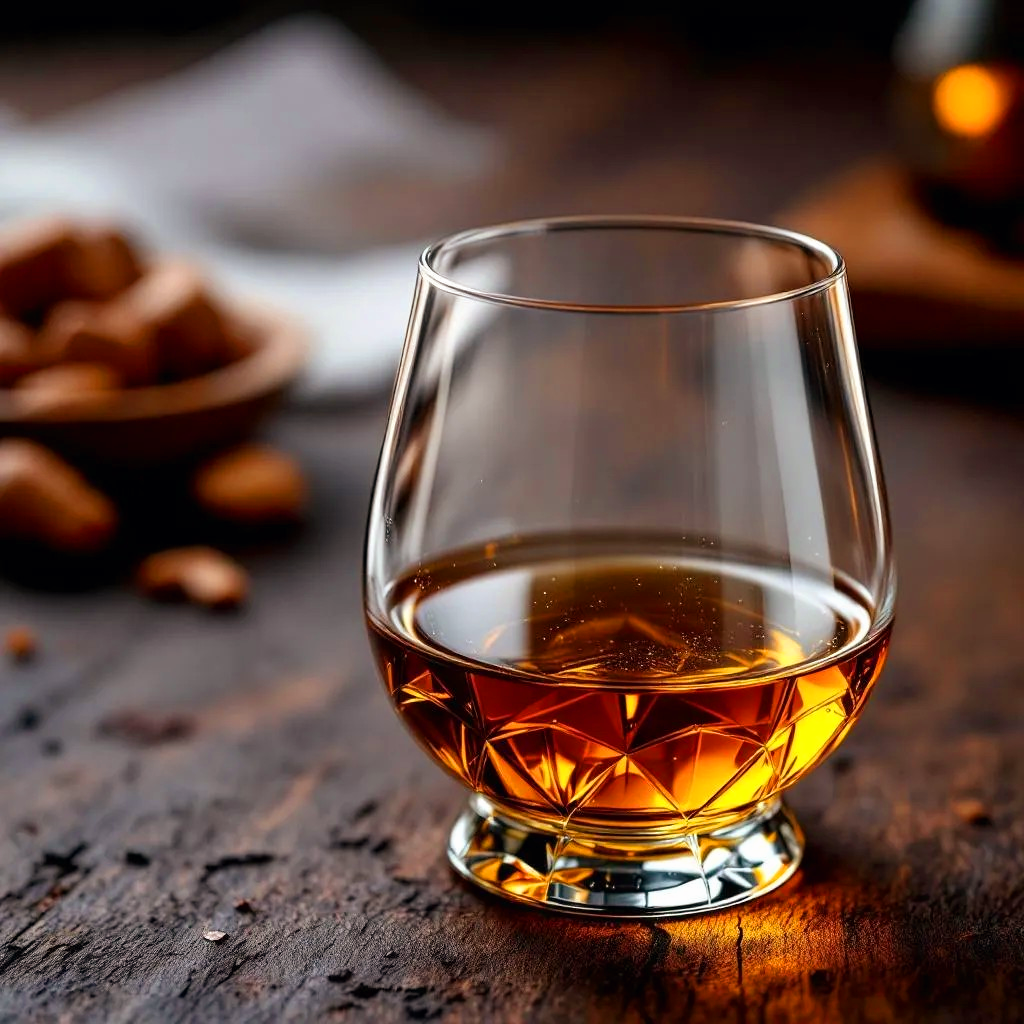
The love for sherry casks isn’t just about marketing—it’s about chemistry and culinary nostalgia. In the world of spirits, the sherry cask is often referred to as the “salt and butter” of maturation; it enhances everything it touches and adds a layer of luxury that other woods struggle to match.
Here is why the sherry cask has earned its status as the most beloved vessel in distilling:
1. The “Christmas Cake” Profile
Human beings are evolutionarily wired to enjoy high-calorie, sweet, and spiced flavors. Sherry casks (specifically Oloroso and PX) impart a very specific set of notes that enthusiasts call the “Christmas Cake” profile:
- Dried Fruits: Raisins, dates, figs, and sultanas.
- Warm Spices: Cinnamon, nutmeg, and cloves.
- Rich Sweets: Dark chocolate, molasses, and toffee. These flavors are universally comforting and provide a “heavy” mouthfeel that makes the spirit feel more substantial.
2. Visual Appeal (The “First Sip” with the Eyes)
We drink with our eyes first. A bourbon-matured whisky is usually straw-colored or pale gold. A sherry-matured whisky, however, can range from deep amber to burnished mahogany. * Deep color is often (though not always correctly) associated with age and quality.
- A dark, oily-looking pour in a glass suggests a richness and complexity that immediately excites the palate before the glass even reaches the nose.
3. The Tannic Balance
Sherry is often aged in European Oak (Quercus robur), which is more porous and contains more tannins than American White Oak.
- These tannins provide a structured, drying grip on the tongue.
- This prevents the spirit from being “one-note” or cloyingly sweet. The interplay between the sugary wine residue and the bitter wood tannins creates a “thirst-provoking” finish that keeps you coming back for another sip.
4. Integration of Peat and Sweet
One of the most loved sub-categories is Sherried Peat (e.g., Lagavulin 16 or Ardbeg Uigeadail).
- Smoke and medicinal notes can sometimes be harsh on their own.
- The deep red-fruit sweetness of a sherry cask acts as a “buffer,” wrapping the smoke in a blanket of dark sugar. This creates a “sweet and smoky” (BBQ-like) profile that is arguably the most popular style among modern collectors.
Comparison of the “Big Two” Cask Types
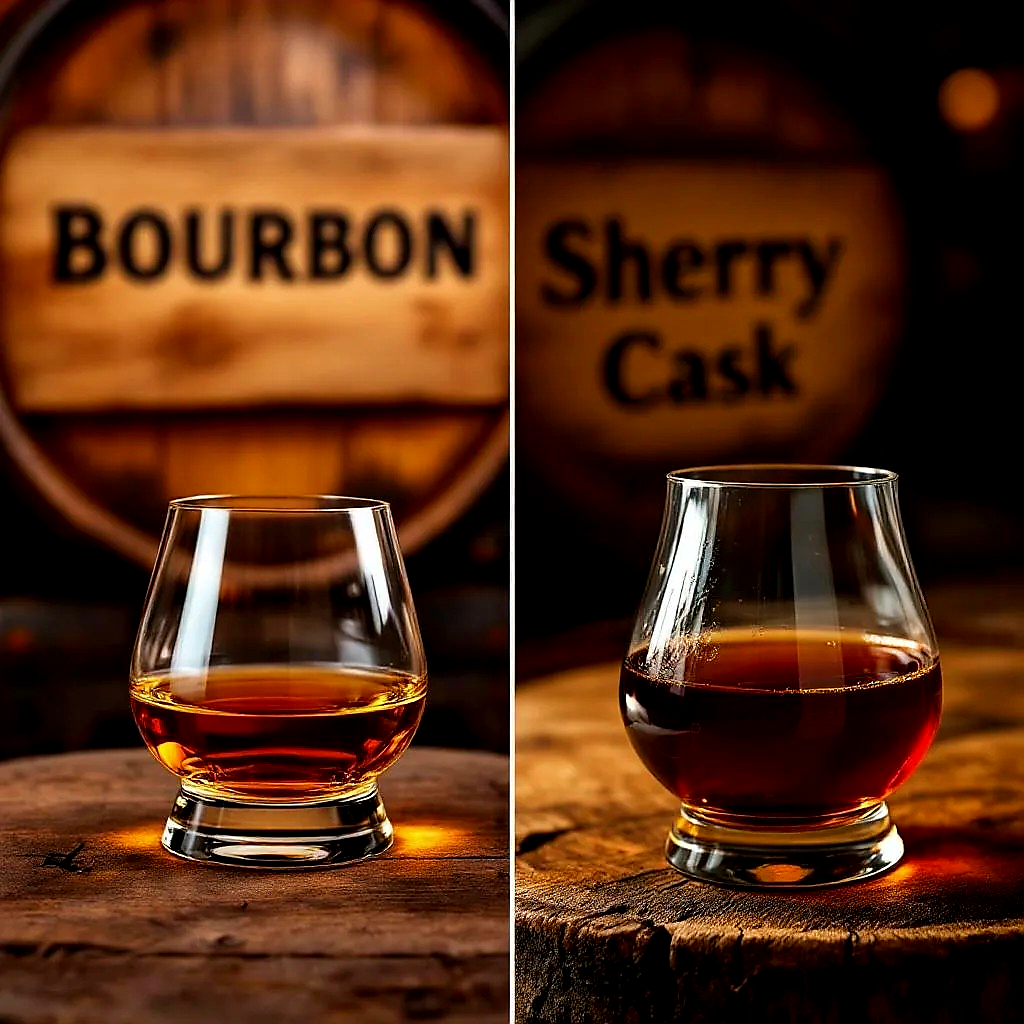
| Feature | Bourbon Cask (The Standard) | Sherry Cask (The Luxury) |
| Primary Notes | Vanilla, coconut, honey, citrus. | Dried fruit, chocolate, leather, spice. |
| Texture | Light, zesty, and “creamy.” | Heavy, viscous, and “chewy.” |
| Complexity | Linear and bright. | Layered and dark. |
| Cost to Maker | ~$150 per barrel. | $1,000 – $1,500+ per barrel. |
The Sherry Distillery
The “Sherry Distillery” hierarchy is usually divided into two camps: the Traditional Titans (who have used sherry for centuries) and the New Wave Masters (who are currently pushing the boundaries of what sherry maturation can do).
As of 2026, these are the most loved and respected names in the category:
1. The Traditional Titans
- The Macallan: The undisputed king of “Sherry Seasoned” casks. They spend more on their wood program than almost any other distillery. While purists sometimes debate the price-to-value ratio, their Sherry Oak 12 and Macallan Sherry Oak 18 remain the global gold standard for a refined, balanced sherry profile.
- Glenfarclas: One of the last family-owned major distilleries. They are beloved for sticking to traditional dunnage warehouse aging and using high-quality European oak. The Glenfarclas 15 is widely considered the best “pure” sherry value on the market.
- The Glendronach: Known for a “heavier,” oilier spirit that can stand up to massive sherry influence. Since Billy Walker (and later Rachel Barrie) took the helm, their 18-year-old Allardiceand 21-year-old Parliament have become cult favorites for those who want a “Sherry Bomb.”
2. The Modern “Sherry Bomb” Specialists
- GlenAllachie: Currently the most talked-about distillery in this space. Under Billy Walker, they have released a series of PX and Oloroso finishes that are incredibly dark and flavor-packed. Their 15-year-old is the current enthusiast darling for 2026.
- Tamdhu: One of the few distilleries that matures 100% of its spirit in sherry casks. They don’t mess with bourbon barrels at all for their core range. This results in a very consistent, biscuit-and-fruit profile that is exceptionally “clean.”
- Aberlour: Famous for the A’bunadh series. It’s a cask-strength, NAS (No Age Statement) sherry monster that is released in batches. It’s legendary for its intensity—expect raisins, spice, and a massive punch.
3. The Peated Sherry “Fusion” Masters
- Bowmore: Their 21 Year Old Sherry Oak was recently crowned World’s Best Single Malt (2026). They are masters at balancing Islay sea salt and peat smoke with the sweetness of Spanish oak.
- Lagavulin: Specifically the Distillers Edition. It takes the standard smoky Lagavulin and finishes it in Pedro Ximénez casks, creating a “BBQ meat and jam” flavor that is highly addictive.
- Kilchoman: Their Loch Gorm annual release is a prime example of how a farm-distillery can use heavy sherry to create a “dirty,” earthy, and sweet masterpiece.
4. The Global Players (Outside Scotland)
- Kavalan (Taiwan): Using the intense heat of Taiwan, Kavalan matures whisky in record time. Their Solist Sherry Cask releases often beat 25-year-old Scotches in blind tastings for their sheer depth and concentration.
- Redbreast (Ireland): While “Single Pot Still” rather than “Single Malt,” the Redbreast 12 and Lustau Edition are the benchmarks for sherried Irish whiskey—offering a creamy, “Christmas cake” profile that is incredibly smooth.
Suggestions:
Which one fits your palate?
| If you like… | Go for… |
| Elegant & Polished | Macallan or Glengoyne |
| Dark, Heavy & Sweet | Glendronach or GlenAllachie |
| Value & Tradition | Glenfarclas or Tamdhu |
| Smoke & Sweetness | Bowmore or Lagavulin |
Final Verdict
The “Sherry Bomb” era of the 2010s, where distillers sought to pack as much intense, dark sherry influence into a bottle as possible, has undeniably evolved. Today, in 2026, whisky enthusiasts and experts alike recognize that true mastery lies not in overwhelming the spirit but in achieving harmony. The finest whiskies now use sherry casks not to dominate but to complement—much like how a pinch of salt and a squeeze of lemon elevate a perfectly cooked steak without overpowering its natural flavors. This balanced approach allows the unique character of each distillery’s spirit to shine through, enhanced subtly by the rich complexity that sherry maturation brings. It’s this nuanced craftsmanship that defines modern excellence in whisky—where restraint and refinement create an unforgettable tasting experience.