
The Dalmore Distillery is one of the most prestigious Highland whisky producers, and there are compelling reasons it holds that reputation. Set on the shores of the Cromarty Firth near Alness in the Scottish Highlands, it benefits from a unique coastal microclimate and a long, unbroken heritage of whisky-making excellence. This is not just another Highland distillery; it is a house that has deliberately built its name on luxury, rarity, and a truly distinctive style.
From the moment you encounter The Dalmore, you can sense its “regal” identity. The iconic 12-pointed Royal stag on each bottle is more than a logo—it is a symbol of legacy, granted in recognition of a noble act in the 13th century. That royal connection underpins the distillery’s unwavering focus on quality, refinement, and attention to detail. Everything, from cask selection to maturation philosophy, is executed with the intention of creating a whisky that sits comfortably among the world’s most desirable luxury spirits.
What truly sets The Dalmore apart, however, is its unmistakable flavour profile. While many Highland whiskies are known for their light, floral notes, The Dalmore has built its reputation on rich, heavy whiskies with extraordinary depth. Signature aromas of dark chocolate, Seville orange, and roasted coffee unfold in layers, supported by notes of spice, dried fruits, and a subtle, almost velvety sweetness. This complexity is no accident. The distillery is renowned for its pioneering use of exceptional sherry casks—especially from bodegas in Jerez—combined with carefully chosen American white oak ex-bourbon barrels. This dual influence creates a whisky that is both opulent and balanced, powerful yet refined.
Foundation:
The Dalmore Distillery was founded in 1839, the realization of Alexander Matheson’s bold and unconventional vision. Matheson was no ordinary entrepreneur; he was a seasoned merchant adventurer who had amassed his wealth through the renowned shipping and trading firm Jardine Matheson. With the world already at his fingertips, he did not set out to build just another distillery. He set out to create a whisky house that would stand apart for generations.
At a time when many distillery founders were flocking to Speyside, drawn by its popularity and growing reputation, Matheson chose a different path. He deliberately turned away from the crowded heartlands of whisky making and instead looked to the Highlands, to a place with a distinct character and untapped potential. He intentionally built The Dalmore Distillery on the northern shores of the Cromarty Firth, a deep, sheltered inlet that had long been a gateway for trade and exploration.
This location was no accident. The maritime climate of the Cromarty Firth, with its cool breezes and temperate conditions, created a unique environment for maturing whisky. The constant interplay of sea air and Highland weather would help shape the rich, complex character that Dalmore would become known for. Proximity to key shipping routes also meant easy access to the finest casks and ingredients from around the world, something a man of Matheson’s global experience understood better than most.
By stepping away from convention and resisting the pull of Speyside, Matheson laid the foundations for a distillery defined by individuality and ambition. The Dalmore’s story is not one of following trends, but of setting them. Its origin is a testament to the power of choosing location with intention, of backing a vision that looks beyond the obvious. When you taste The Dalmore today, you are not just savoring a Highland single malt; you are experiencing the legacy of a founder who dared to build where others did not, and whose decision in 1839 still echoes in every glass.
The distillery is now owned by Whyte & Mackay (which is in turn owned by Philippines-based Emperador Inc.).
What Separates Dalmore From Other Highland Distilliries:
While many Highland distilleries chase light, floral, or honeyed profiles, Dalmore stands apart as the region’s unapologetic heavyweight. This isn’t an accident or a marketing angle—it’s engineering in liquid form. Every stage of Dalmore’s production is deliberately tuned to create a whisky that is oily, rich, and intensely flavorful, in a way most Highland malts simply are not.
Think about what typically defines a “classic” Highland dram: bright orchard fruits, heather, a little honey, perhaps a gentle malt sweetness. Pleasant, approachable, often delicate. Dalmore heads in the opposite direction on purpose. From the shape of the stills to the choice of casks, this is a whisky built for depth, weight, and complexity.
Dalmore’s stills are designed to encourage a heavier spirit, one that clings to the palate instead of vanishing after a quick sip. Then there’s the cask program, which is not just impressive—it’s obsessive. Dalmore leans heavily on high-quality ex-sherry casks, often from bodegas with which it has long-standing, exclusive relationships. These casks, previously holding rich, dark sherries, impart layers of chocolate, orange marmalade, roasted coffee, dried fruit, and spice that you simply don’t get from a lighter maturation regime.
The result is a Highland whisky that doesn’t whisper; it speaks with authority. Dalmore coats the mouth, lingers on the tongue, and rewards slow, thoughtful sipping. It’s a dram for those who want more than a gentle aperitif. It’s for drinkers who expect a whisky to stand up to scrutiny, to food pairings, even to a cigar—and still have more to say.
Summary Comparison:
| Feature | Typical Highland Malt | The Dalmore |
| Spirit Body | Light, grassy, or honeyed | Heavy, oily, and “chewy” |
| Primary Note | Heather, citrus peel, vanilla | Dark chocolate, Seville orange, spice |
| Cask Strategy | Mostly Ex-Bourbon | Heavily Sherry-led (Matusalem) |
| Market Goal | High-volume drinkability | Ultra-luxury collectability |
Dalmore Range:
The Dalmore has never been a “one-size-fits-all” whisky, and its modern range makes that clearer than ever. As of 2026, the collection has been carefully restructured into distinct tiers, each one designed to meet you exactly where you are on your Single Malt journey—whether you’re just discovering the brand or curating bottles that belong behind glass.
At the foundation, you’ll find the approachable core expressions: whiskies crafted to be immediately enjoyable, generous in flavor, and unmistakably Dalmore. These are the bottles that introduce you to the house style—those lush notes of orange, chocolate, coffee, and spice—without demanding that you be an expert. They are ideal for everyday enjoyment, gifting, or as a first serious step into luxury Scotch.
Move up a level, and the range reveals more depth and ambition. Here lie the age-statement and specialty releases that lean into The Dalmore’s signature cask artistry—particularly its long-standing relationship with rare sherry casks. These whiskies are designed for drinkers who want to explore nuance: richer textures, layered aromatics, and longer finishes that reward contemplation. They bridge the gap between “special occasion” and “serious collector,” offering both impressive complexity and clear value for their pedigree.
Beyond that, The Dalmore pushes firmly into the realm of high luxury with limited editions and older age statements. These bottles are produced in small numbers, often drawing from irreplaceable stocks and exceptional casks. They appeal to enthusiasts who understand that certain flavors can only emerge after decades of patience and meticulous wood management. Buying at this level is not just about taste; it’s about owning a piece of The Dalmore’s ongoing story.
At the very top sit the ultra-rare, museum-grade whiskies—the pinnacle of the range. These are the bottles that appear at world auctions, in private cellars, and in the collections of serious investors. They are created from some of the oldest and scarcest casks in the distillery’s possession, often presented in bespoke decanters and cases that reflect their status. For those seeking the ultimate statement piece, these expressions are as much art objects and legacy items as they are spirits.
The 2026 updates only strengthen this tiered approach. The visual identity across the range has been refined: labels, bottle shapes, and packaging now speak a common design language, making it easier to understand where each expression sits in the hierarchy at a glance. The result is a collection that feels coherent and intentional, from the first accessible bottle to the most exclusive release.
This clarity benefits every type of whisky drinker. If you are new to The Dalmore, you can approach the range with confidence, knowing that each step up offers a meaningful increase in rarity, craftsmanship, and character. If you are an established fan or collector, the updated structure and look make it easier to curate a progression of bottles that truly tells a story—from everyday luxury to once-in-a-lifetime.
In a market crowded with single malts, The Dalmore’s reimagined range stands out because it doesn’t just offer more whiskies; it offers a clear path. Wherever you choose to enter—and however far you decide to climb—you know exactly what you’re reaching for, and exactly why it deserves a place on your shelf.
1. The Principal Collection (Core Range)
These are the standard-bearers of the distillery, usually featuring the iconic 12-pointed silver stag and maturation in Bourbon and Sherry Casks.
- The 12 Year Old: The entry point. Matured in bourbon casks and finished in Oloroso sherry butts.
- The 12 Year Old Sherry Cask Select: An intensified version of the 12, finished in a blend of Pedro Ximénez and Oloroso sherry casks for a sweeter, darker profile.
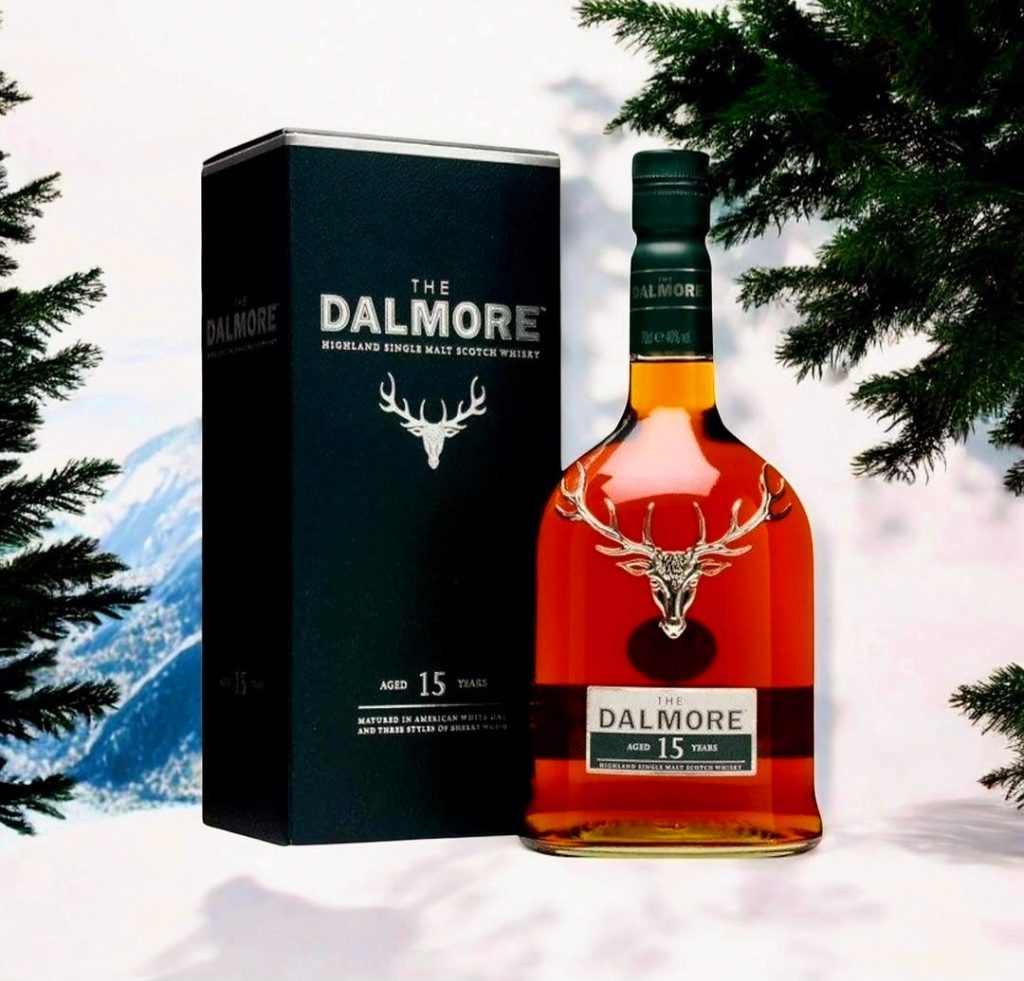
- The 15 Year Old: A fan favorite, finished in three different types of sherry casks: Amoroso, Apostoles, and Matusalem.
- The 17 Year Old (New for 2026): A recent addition to the core lineup. It bridges the gap between the 15 and 18, utilizing a trio of rare González Byass casks.
- The 18 Year Old: A much heavier, winter-spice-led malt finished in Matusalem Oloroso casks.
- The 21 Year Old: Often cited as the pinnacle of the standard age statements, featuring extreme depth of dark chocolate and orange.
- King Alexander III: A unique “six-cask” finish (Bourbon, Sherry, Marsala, Madeira, Port, and Cabernet Sauvignon). It is one of the few core whiskies without an age statement.
- Cigar Malt Reserve: Specially blended to be bold enough to pair with a fine cigar.
2. The Select Editions (Annual Vintages)
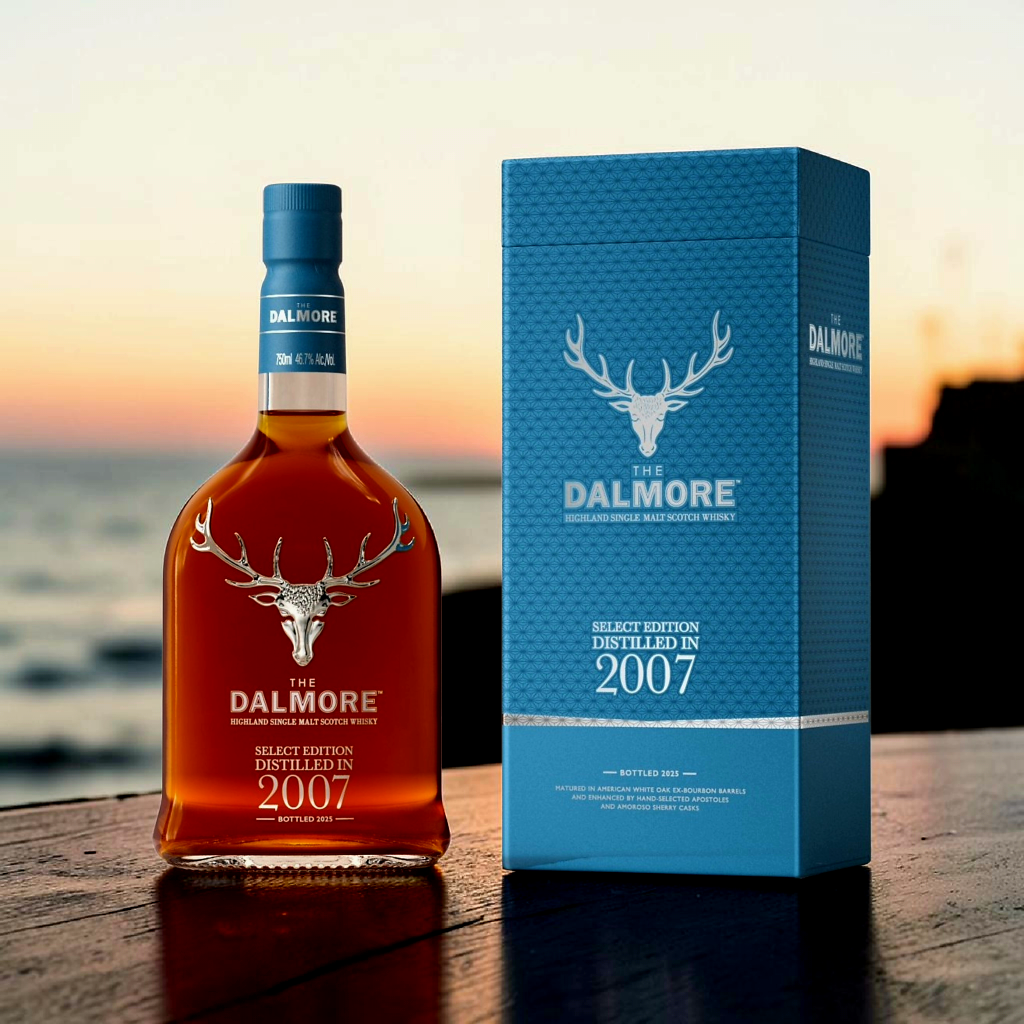
These are one-time, non-chill filtered releases selected by the whisky makers during their annual warehouse assessment. They are identifiable by their powder-blue packaging.
- Select Edition 2010 (Aged 15 Years): Bottled at 49.1% ABV with notes of ginger cake and almond croissants.
- Select Edition 2007 (Aged 18 Years): Bottled at 46.7% ABV. It features a unique 13-year finish in Tawny Port pipes before a final sherry maturation.
3. Specialty & Limited Collections
- Cask Curation Series: A high-end series exploring specific wine finishes. The current 2026 highlight is the Red Wine Cask Edition, a three-bottle set (24, 34, and 43 years old) matured in Châteauneuf-du-Pape casks.
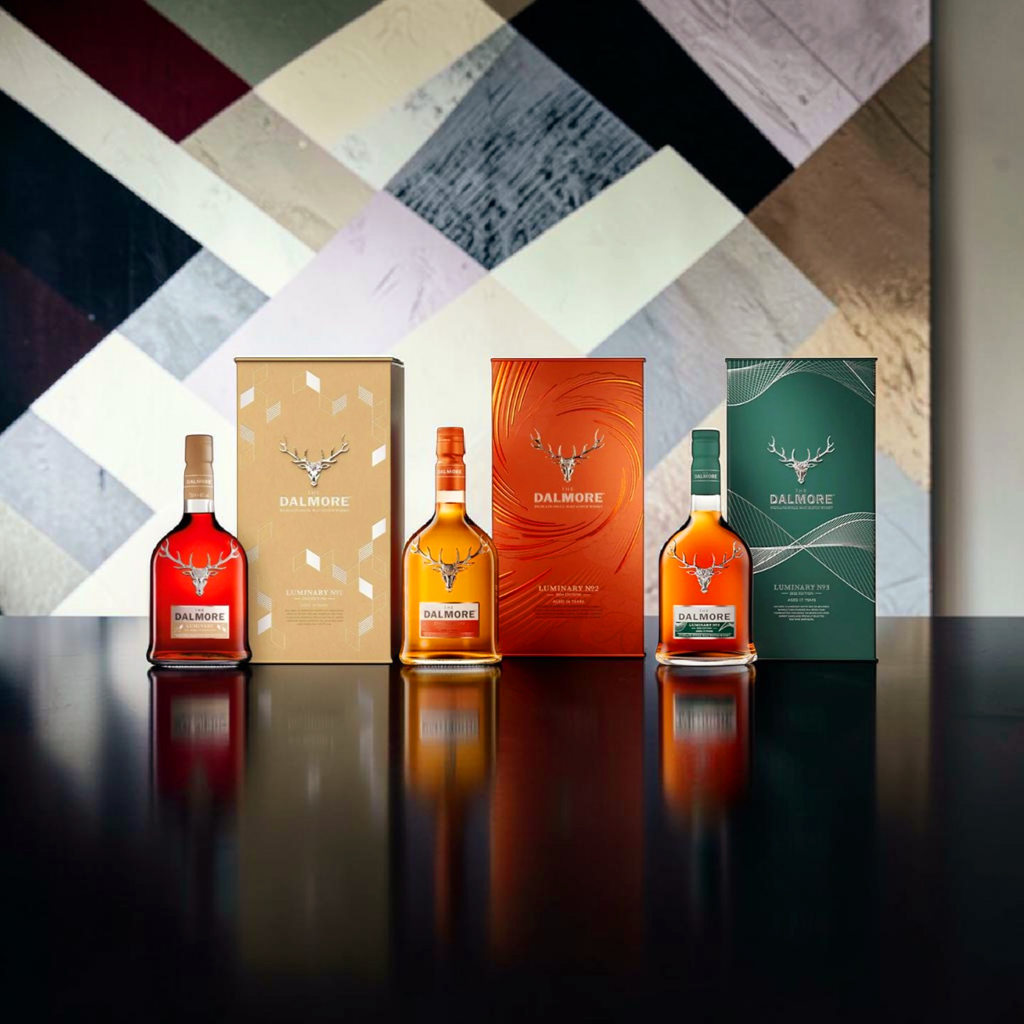
- Luminary Series: A collaboration with V&A Dundee, pairing rare whiskies with bespoke architectural bottle designs.
- Port Wood Reserve: A lighter, fruitier alternative to the sherry-heavy core range, matured entirely in American white oak and finished in Aged Tawny Port pipes.
4. Rare & Exceptional (Investment Tier)
These are Dalmore’s “prestige” bottles, often sold through high-end retailers or auctions.
- The 25 Year Old: Extremely limited and highly sought after.
- The 35, 40, and 45 Year Olds: Each bottle in this tier is often treated as a piece of art.
Final Words
Dalmore distillery is more than a name on a label; it is a living demonstration of what happens when heritage, craftsmanship, and bold ambition converge in a single glass. From its storied past on the Cromarty Firth to its unwavering commitment to sherry cask maturation and meticulous wood management, every element of Dalmore’s process is designed to deliver depth, complexity, and distinction.
When you choose Dalmore, you are not simply buying a whisky; you are investing in time, care, and expertise passed down through generations of master distillers. The signature notes of rich citrus, dark chocolate, roasted coffee, and warm spice are not accidents—they are the direct result of deliberate, painstaking decisions at every stage, from cask selection to final marrying.
If you value whisky with a clear sense of identity—one that stands confidently apart in a world crowded with generic drams—Dalmore deserves a place in your collection and on your table. Whether you are pouring a core expression for an evening with friends or opening a rare release to mark a milestone, Dalmore offers an experience that is both immediately gratifying and endlessly rewarding to explore.
In the end, Dalmore distillery makes a simple, compelling case: if you want a whisky that truly tastes like craftsmanship, patience, and legacy, this is where your journey should lead.