
Investing in whisky has emerged as a compelling opportunity for both seasoned investors and enthusiasts alike. Unlike traditional assets, whisky offers a unique combination of tangible value, cultural heritage, and the potential for significant financial appreciation. Rare and limited-edition bottles often increase in value over time due to their scarcity and growing global demand. Moreover, whisky’s appeal transcends markets, making it a fairly resilient asset. By carefully selecting sought-after distilleries and cask types, investors can build a portfolio that not only diversifies their holdings but also delivers impressive returns. Embracing whisky as an investment means tapping into a market where passion meets profitability—making it an intelligent addition to any forward-thinking investment strategy.
Diversification:
Whisky as an Investment: Understanding Its Value
Investing in whisky as part of a diversified portfolio in 2026 represents a strategic shift from the impulsive, “get rich quick” mindset that characterized the pandemic years to a more disciplined, long-term approach. The whisky market has matured significantly; the days of effortless, rapid gains are behind us. However, this evolution only strengthens the case for whisky as a valuable asset class. The fundamentals—scarcity, craftsmanship, and growing global demand—remain robust and continue to drive value appreciation over time. By incorporating whisky into your investment strategy now, you’re positioning yourself to benefit from steady growth rooted in tangible assets rather than fleeting trends. This measured approach not only diversifies risk but also taps into an enduring market where patience and knowledge are rewarded.
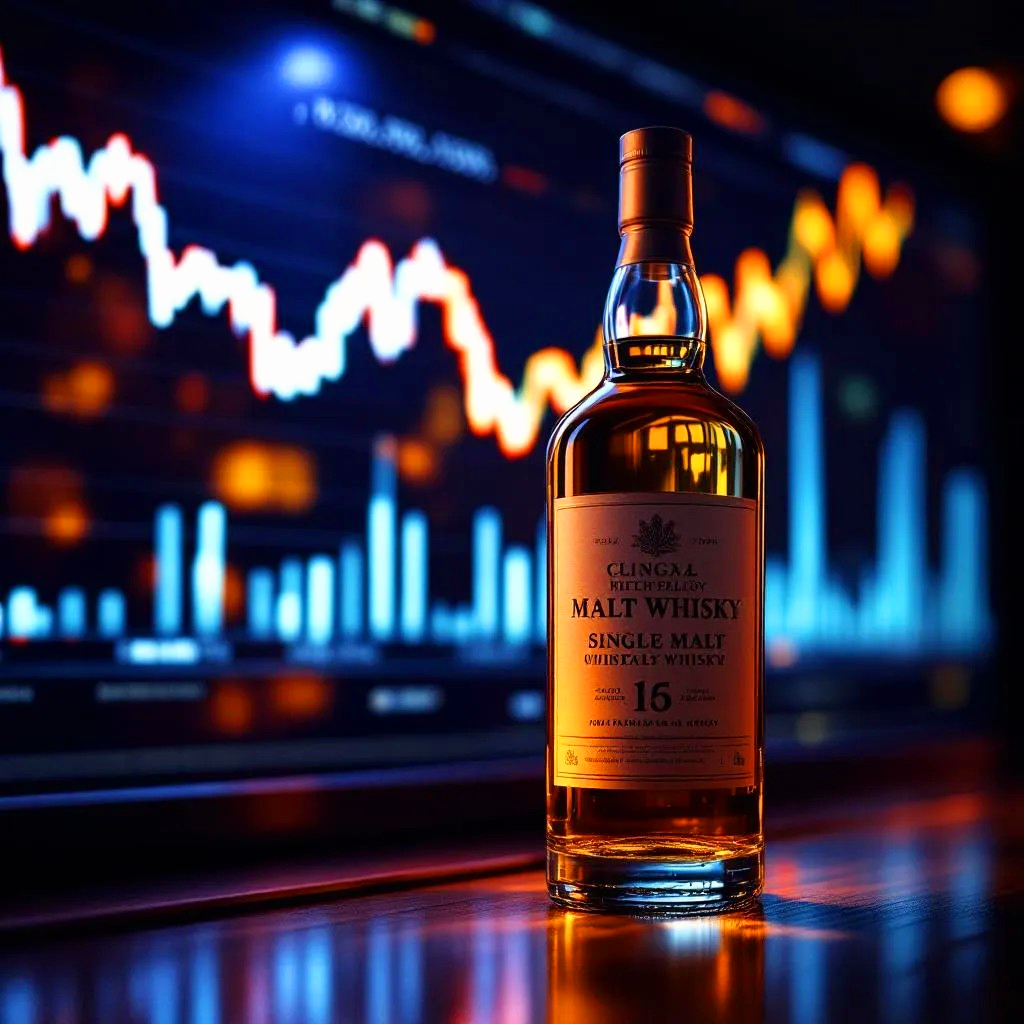
Investing in whisky offers a unique advantage for diversifying your portfolio because it is a low-correlation asset. Unlike traditional investments such as the S&P 500 or cryptocurrencies like Bitcoin, whisky’s value tends to move independently of these markets. This means that when stocks or digital assets fluctuate, whisky often remains stable or even appreciates, providing a valuable hedge against volatility.
Looking ahead to 2026, financial experts increasingly recommend allocating 5% to 10% of your total investment portfolio to alternative assets like whisky, art, or watches. Incorporating whisky into your investment strategy not only adds diversity but also taps into a market driven by rarity and long-term appreciation potential. By including whisky in your asset mix, you can enhance portfolio resilience and position yourself for steady growth irrespective of broader market swings.
To diversify within your whisky holdings, consider a “Tiered Approach”:
The Foundation (Blue Chips): Focus on “Naming Rights” distilleries like Macallan, Springbank, and Bowmore. These are the safest stores of value and are easiest to sell (liquidate) at auction.
The Growth Tier (Independent/Rising): Look at newer or independent distilleries like Indri (India), Kavalan (Taiwan), or Isle of Harris (Scotland). These brands represent some of the most exciting opportunities in the whisky world today. Unlike established giants, these distilleries are still carving out their place on the global stage, offering investors and enthusiasts a chance to get in early on what could become legendary names.
The Age Play: When it comes to investing in whisky, diversifying across different maturity stages is a strategy that can maximize both growth potential and stability. New Make or Young Spirit whiskies, aged 0–5 years, offer exceptional high growth potential. Though they require a longer investment horizon—typically around 15 years—the payoff can be substantial as these spirits mature and gain character over time.
On the other hand, Mature Stocks aged between 18 and 25 years provide a more immediate sense of security. While their percentage growth may be lower compared to younger spirits, they are highly sought after by premium bottlers and high-net-worth collectors alike. This demand helps maintain strong value retention and makes them an attractive component of any whisky portfolio.
By spreading your investment across both new make spirits and mature stocks, you balance the excitement of long-term appreciation with the reliability of established market favorites. This approach not only mitigates risk but also positions your collection to benefit from multiple avenues of growth in the dynamic world of whisky investing.
Casks vs. Bottles:
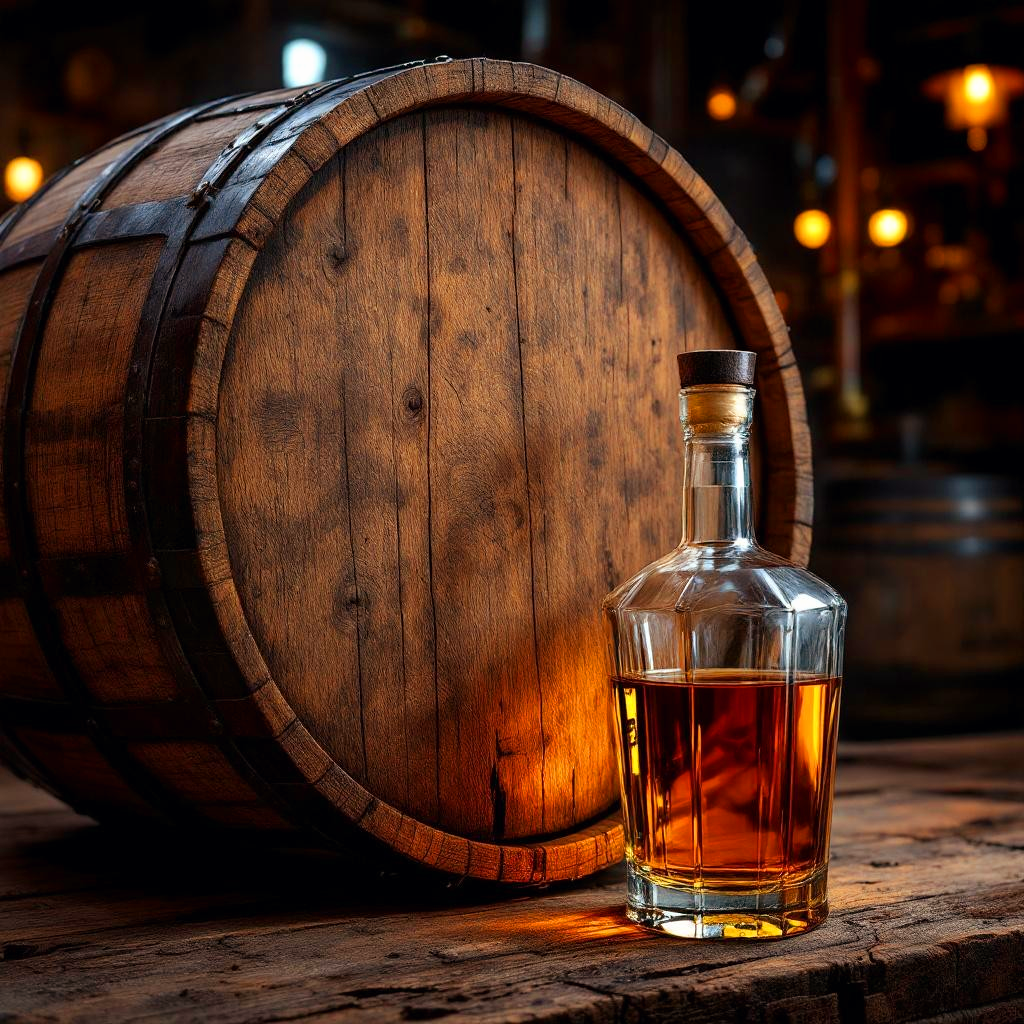
As we move into 2026, savvy investors are increasingly recognizing the undeniable advantages of casks over bottles for long-term investment. Recent regulatory improvements have made acquiring and holding casks more accessible and secure, tipping the scales decisively in their favor. Unlike bottles, casks offer greater potential for value appreciation due to their larger volume and flexibility in maturation. They also provide investors with opportunities to influence aging conditions, ultimately enhancing quality and rarity.
| Feature | Bottle Investment | Cask Investment |
| Growth Driver | Brand hype & secondary market demand. | Natural maturation (whisky gets better with age). |
| Tax Status | Often subject to Capital Gains Tax (CGT) if sold as part of a trade. | Generally CGT-exempt in the UK (classed as a “wasting asset”). |
| Ownership | You physically hold it; easy to store. | Held in bonded warehouses; requires “Delivery Orders” for legal proof. |
| Entry Point | Lower ($100 – $5,000+). | Higher ($2,500 – $50,000+). |
Current Market Conditions:
The whisky market has entered a phase of stabilized rebalancing, marking a significant shift from the volatile “bubble” years of 2021–2022. During that period, speculative “flipping” dominated, with investors chasing rapid gains rather than intrinsic value. However, the correction in 2024 has effectively recalibrated expectations and behaviors across the industry. Today’s market is characterized by greater discipline and a focus on genuine value, benefiting both collectors and producers alike. This transition ensures a healthier ecosystem where quality and long-term appreciation take precedence over short-term speculation—making it an ideal time for serious enthusiasts and investors to engage with confidence.

Here is the current market breakdown across the major sectors:
The Secondary Market (Auctions):
The wild price swings of the early 2020s have largely leveled off. We are seeing a “flight to quality,” where only the most established provenance holds its ground.
Scotch Stability: The Knight Frank Rare Whisky Index and Whiskystats report a “bottoming out” for many brands. While The Macallan has seen recent price volatility (down roughly 11% over the last 12 months), brands like Balvenie and Clynelish have shown resilience, with Balvenie indices rising nearly 22% recently.
The Bourbon Bounce: In Q1 2026, the Bourbon 40+ Index (tracking collectible American whiskey) rose +9.3%, recovering nearly all its 2024 losses. High-age-statement single barrels (like Elijah Craig 23) and cask-strength expressions (like William Heavenhill) are currently the market’s “top gainers.”
Japanese & Irish Explosion: Both categories saw double-digit growth in February and March 2026 auctions, driven by renewed interest from collectors in South Korea and the US.
2. Global Trade & Exports
Macroeconomic factors and trade policy are the primary drivers of retail pricing this year.
The India “Gold Rush”: Following the 2025/2026 UK-India Free Trade Agreement, Scotch exports to India have surged by 15% in value. India is now the world’s largest volume market for whisky, and as tariffs continue to drop throughout 2026, premium single malts are expected to see massive growth there.
The US Tariff Impact: Export volumes to the US fell by roughly 4%–9% in the last year due to ongoing tariff volatility and rising production costs. This has led to “sticker shock” for some premium Scotch bottles in American retail.
Emerging Hubs: While China’s spend-per-liter has dipped, Turkey has emerged as a top-5 importer, with Scotch consumption there growing over 400% since 2019.
3. Investment Trends: Casks vs. Bottles
Cask Maturation: This remains the preferred long-term play for 2026. Because a cask “ages up” (becoming a 12-year-old, then an 18-year-old), it has an inherent value increase independent of market hype.
Consumer Shift: Retailers report that “gimmicky” super-premium releases (bottles priced at $3,000+ with no age statement) are moving slowly. Consumers in 2026 are demanding transparency—they want to know the farm the barley came from and the specific history of the cask.
Current Market “Heat Map” (April 2026):
| Asset Class | Status | Outlook |
| Old & Rare Scotch (30yr+) | Stable/High | Rarity remains king; these are “ghost stocks.” |
| Standard Macallan (12-18yr) | Volatile | High supply at auction is keeping prices suppressed. |
| Aged Bourbon (Pappy, BTAC) | Rising | Demand for “Dusty” and BTAC bottles is currently peaking. |
| Indian Single Malt (Indri/Amrut) | Hot | Rapidly gaining “Blue Chip” status among global collectors. |
The Future:
The future of whisky from 2026 to 2030 and beyond promises a transformative journey, moving decisively away from the speculative boom that characterized the early 2020s. This new era will be marked by maturity, transparency, and cutting-edge technological innovation. As collectors and enthusiasts become more discerning, the industry is poised to embrace authenticity and quality over hype-driven speculation. Advances in blockchain technology will enhance traceability, ensuring every bottle’s provenance is verifiable and trustworthy. Meanwhile, innovations in production techniques and sustainable practices will redefine craftsmanship, marrying tradition with modern efficiency. This evolution guarantees that whisky lovers can look forward to an era where enjoyment is grounded in genuine value and integrity—ushering in a future where whisky’s rich heritage thrives alongside forward-thinking progress.

Despite the recent market correction in 2024–2025, the whisky industry is poised for remarkable growth in the coming decade. Projections indicate that by 2030, the market will expand to an impressive $73.1 billion—and continue climbing to $116 billion by 2033. This optimistic outlook is fueled by a transformative shift toward a new set of “North Star” values that resonate deeply with today’s consumers. These values emphasize authenticity, sustainability, and craftsmanship, redefining what whisky represents in modern culture. As brands align themselves with these principles, they are not only capturing the hearts of loyal enthusiasts but also attracting a broader audience eager for meaningful experiences. Investing or engaging with the whisky market now means tapping into a dynamic industry on the cusp of unprecedented expansion and innovation.
The Technological & Green Revolution
The most radical changes are happening at the production level. By 2030, the “traditional” distillery will look very different:
Net-Zero Distilling: The Scotch Whisky Association has a mandate to be Net Zero by 2040. By 2026, we are seeing the widespread adoption of hydrogen-powered boilers, anaerobic digestion (turning waste into energy), and heat recovery systems.
Precision Agriculture (Terroir): Distilleries are beginning to resemble wineries. Innovation is moving away from “clever finishes” and toward barley genetics. Expect to see “single-farm” or “single-field” whiskies where the specific soil chemistry and ancient barley strains are the selling points.
Water Scarcity Adaptations: Climate data from 2024–2026 suggests droughts in Scotland could double. Distillers are investing heavily in closed-loop cooling systems and groundwater resilience to prevent the “summer shutdowns” that have plagued Kentucky and Speyside recently.
2. The Consumer Shift: “Gen Z” & Radical Transparency
The new generation of drinkers is less interested in “old men in libraries” and more interested in ethics and origin:
The Rise of Transparency: In 2026, blockchain authentication and QR codes on bottles are becoming standard. Consumers want to track a bottle’s journey from the specific barley field to the cooperage where the barrel was toasted.
Flavor-First (The RTD Bridge): Ready-to-Drink (RTD) highballs and canned cocktails are the gateway for younger drinkers. This is forcing distilleries to create spirits that are specifically designed to be mixed, not just sipped neat.
American Single Malt (ASM): Now officially recognized as a category, ASM is expected to be the fastest-growing segment through 2030, challenging the global dominance of Scotch with its bolder, more experimental flavor profiles.
3. The New Global Map
The “Big Three” (Scotland, USA, Japan) are being challenged by the “New World” Titans:
The India Factor: Following the April 2026 tariff reductions, India is transitioning from a volume market to a value market. Global brands are now building distilleries inside India to cater to its 100-million-strong middle class.
Tropical Aging: Distilleries in Taiwan, India, and Australia have proven that “heat-accelerated aging” is not a gimmick but a legitimate style. By 2030, a 5-year-old tropical whisky will be held in the same regard as a 15-year-old Scotch.
Final Verdict:
As of now , the whisky investment landscape has reached a pivotal moment—a “final verdict” that signals a clear shift toward cautious professionalization. The days when uninformed flippers could make quick profits by chasing trends are behind us. Today’s market demands more than just luck; it rewards investors who bring patience, deep knowledge of brand heritage, and an appreciation for technical quality to the table. Savvy collectors and seasoned investors now understand that true value lies in carefully selected bottles with storied backgrounds and impeccable craftsmanship. This evolution not only elevates whisky as a serious asset class but also ensures that those who approach it thoughtfully will reap the most enduring rewards. If you’re considering entering this refined market, embracing this professional mindset is no longer optional—it’s essential for long-term success.