
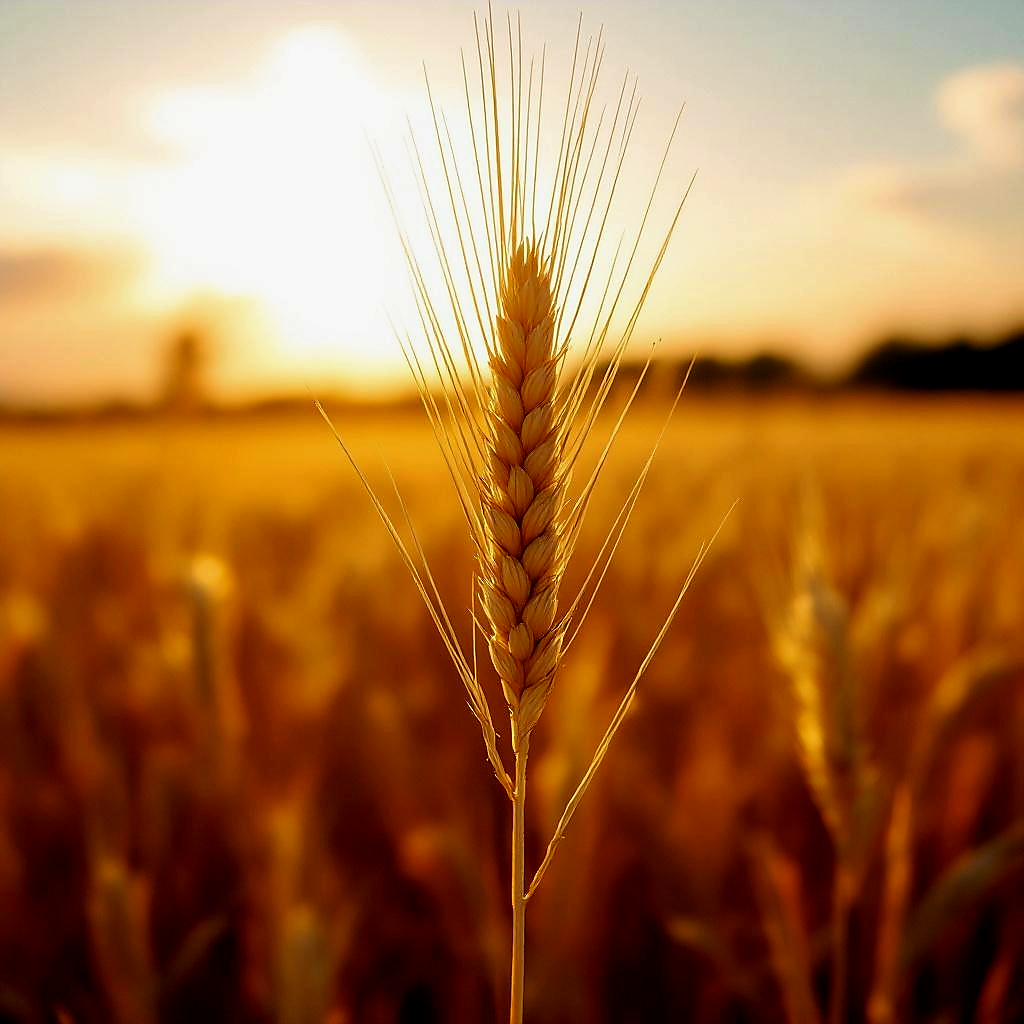
Single Malt Whisky refers to a specific term where there is one type of grain used, one distillery and one type of still. To be a Single Malt , the spirit must be aged in oak casks for minimum of three years and one day and it must be bottled at minimum strength of 40%. The three year minimum time rule ensures the spirit interacts sufficiently with the wood, developing colour, flavour and the aroma. The history of single malt is a story of survival. For centuries, it was the only type of whisky made in Scotland, but it nearly disappeared in the 20th century, only to be “rediscovered” as a luxury item in the last 60 years.
To be legally classified as a single malt (specifically Scotch), the whisky must be made from exactly one type of grain: 100% malted barley.If even a small percentage of another grain (like corn, wheat, or rye) is added, or if the barley is not malted, it can no longer be called a “single malt.”
What Does Malted Mean?
The barley doesn’t go straight from the field into the still. It must undergo the Malting process:
- Steeping: The grain is soaked in water to “trick” it into thinking it’s spring.
- Germination: The grain begins to sprout. This releases the enzymes that turn starch into sugar.
- Kilning: Before the grain can grow into a full plant, it is dried in a massive oven (kiln). If the distiller wants a smoky whisky (like Laphroaig), they burn peat in the kiln at this stage so the smoke clings to the wet barley.
Why Different Single Malts Tastes Different Too?
Differences in how a single malt whisky tastes will depend on its production conditions and processes, as well as the casks the spirit is matured in. The new make spirit is transferred to our oak casks for maturation, and because oak is not uniform, whisky in different casks will peak at different times and draw out different flavours from different oak species, which can give the whisky a different taste.
Top Single Malt Scotch
In early 2026, the ranking of Top Single Malt Scotch is a mix of timeless icons (The Macallan, Ardbeg) and a new wave of high-performing distilleries like The GlenAllachie and Loch Lomond that have swept recent major awards.
The “Top” whiskies are generally categorized by their performance in the World Whiskies Awards 2025 and the IWSC 2025 Trophies.
The Collector’s “Big Three”
If you are looking for status, investment value, and luxury, these three remain at the top of the pyramid.
- The Macallan 18 Year Old Sherry Oak: Continues to be the global benchmark for “Sherry Cask Royalty.” In 2026, it is the most requested premium malt in luxury bars.
- Springbank 15 Year Old: The “Cult King.” Because Springbank performs every part of the process in-house (including floor malting), demand far outstrips supply, making this the #1 most sought-after bottle at auction.
- Lagavulin 16 Year Old: Remains the “Smoky Icon.” While newer expressions come and go, the 16yo is still the whisky that most connoisseurs consider the definitive Islay malt.

Single Malt vs Other Type of Whiskies
| Whisky Type | Grain Requirement | Typical Character |
| Single Malt | 100% Malted Barley | Complex, rich, oily, nutty. |
| Bourbon | Min. 51% Corn | Very sweet, vanilla, caramel. |
| Rye Whisky | Min. 51% Rye | Spicy, peppery, herbal. |
| Single Grain | Barley + Wheat or Corn | Light, floral, sweet “green” notes. |
“New World” & International Single Malts
Single malt is no longer exclusive to Scotland. In 2026, several countries are producing world-class versions:
Japanese Single Malt:
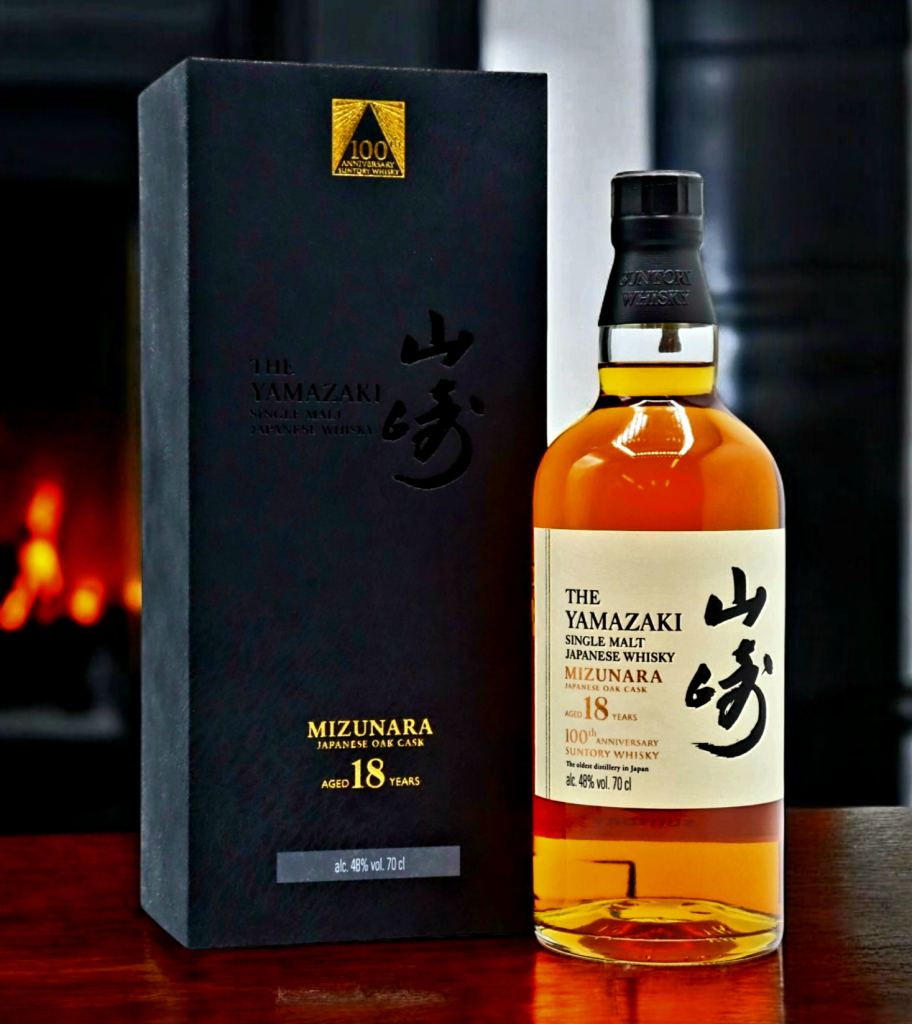
Often described as the “bridge” between the tradition of Scotch and the meticulous refinement of Japanese craftsmanship. While it was originally modeled after Scotch, it has evolved into a category defined by elegance, balance, and a focus on “Mizunara” oak.
As of early 2026, the industry has reached a major turning point in terms of authenticity and regulation.
The Big Two: Suntory vs. Nikka
The history of Japanese single malt is the story of two men: Shinjiro Torii (Suntory) and Masataka Taketsuru (Nikka).
| Distillery | Parent | Style | Key Bottle (2026) |
| Yamazaki | Suntory | Deep, multi-layered, and fruity. Known for using a variety of still shapes and Mizunara oak. | Yamazaki 12 Year Old (The gold standard). |
| Hakushu | Suntory | Known as the “Mountain Forest” distillery. Lightly peated, fresh, herbal, and crisp. | Hakushu 12 Year Old (Vibrant and green). |
| Yoichi | Nikka | Located in Hokkaido. Bold, smoky, and salty; distilled using traditional direct coal fire. | Yoichi Single Malt (Robust and maritime). |
| Miyagikyo | Nikka | Located in Sendai. Elegant and fruity with a focus on sherry cask maturation. | Miyagikyo Single Malt (Soft and floral). |
Irish Single Malt
Irish single malt is currently undergoing a “Golden Era.” As of early 2026, the category has matured from being a niche alternative to Scotch into a global powerhouse known for its triple-distilled smoothness, innovative wood finishes, and a new focus on “terroir.”
While Ireland is most famous for Single Pot Still whiskey (which uses a mix of malted and unmalted barley), Irish Single Malt uses 100% malted barley, putting it in direct competition with the best Scotch whiskies.
New World ( Taiwan, India, Australia)
Taiwanese Single Malt is one of the most exciting “New World” categories in 2026. It is defined by a paradox: it is chemically “old” but chronologically “young.”
While a Scotch might take 18 years to reach maturity, Taiwan’s climate allows a whisky to achieve similar depth in just 4 to 6 years.
Indian Single Malt is no longer just a “world whisky” curiosity; it is a market leader. In the last year, Indian brands have begun outselling established Scotch imports within India and dominating global awards.
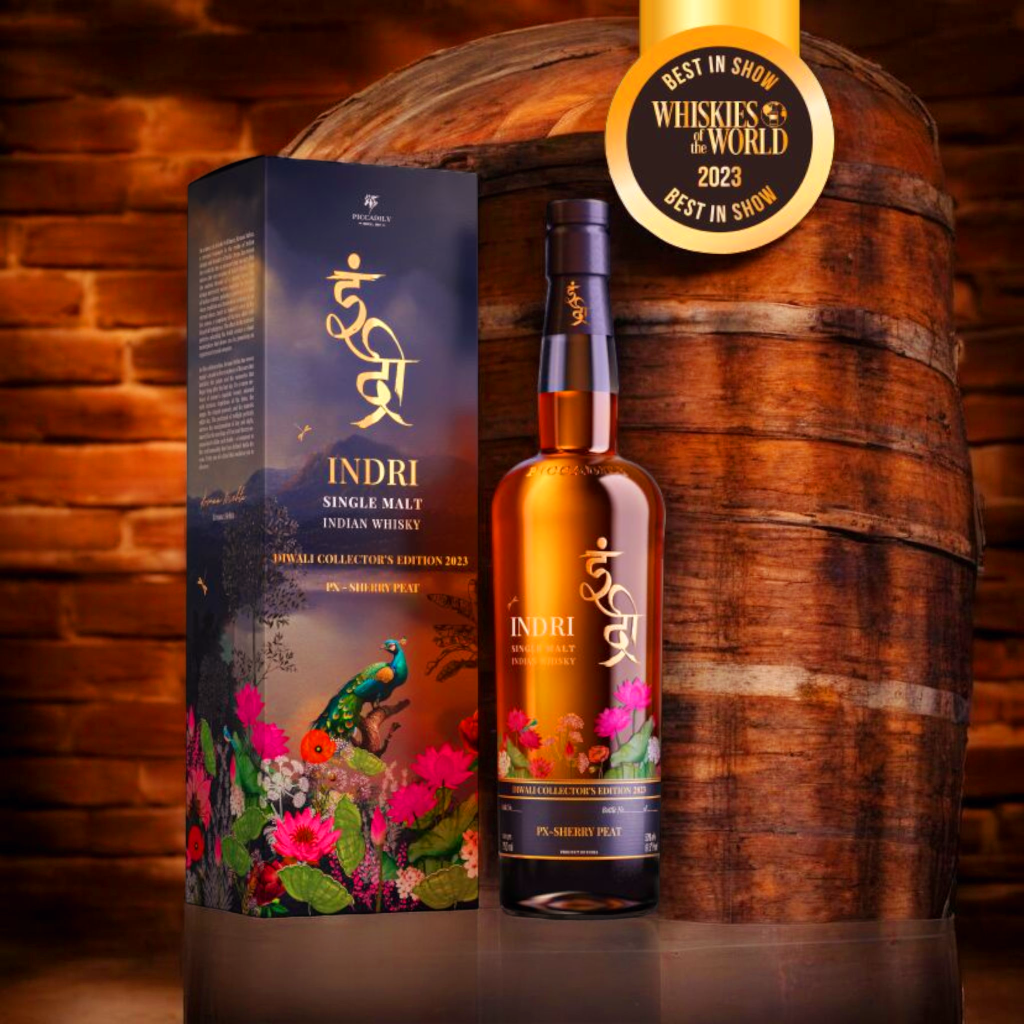
The category is defined by “Tropical Maturation”—where the intense heat of India matures whisky up to three times faster than in Scotland, creating incredibly rich, spicy, and complex spirits in just a few years.
Australian Single Malt is a category defined by fearless innovation and regional diversity. While Scotland has centuries of tradition to uphold, Australian distillers operate with a “pioneer spirit,” experimenting with native woods, local wine casks, and varied climates that range from the cool, misty hills of Tasmania to the dry, searing heat of the mainland.
As of early 2026, the industry has reached a new level of global prestige, with Tasmanian distilleries continuing to dominate world awards.
Conclusion:
To wrap up our exploration of single malt, we can view the category not just as a beverage, but as a living cultural artifact. As of early 2026, the single malt world has moved past the “hype” era of the early 2020s and entered a phase of strategic maturity.